 Back to the news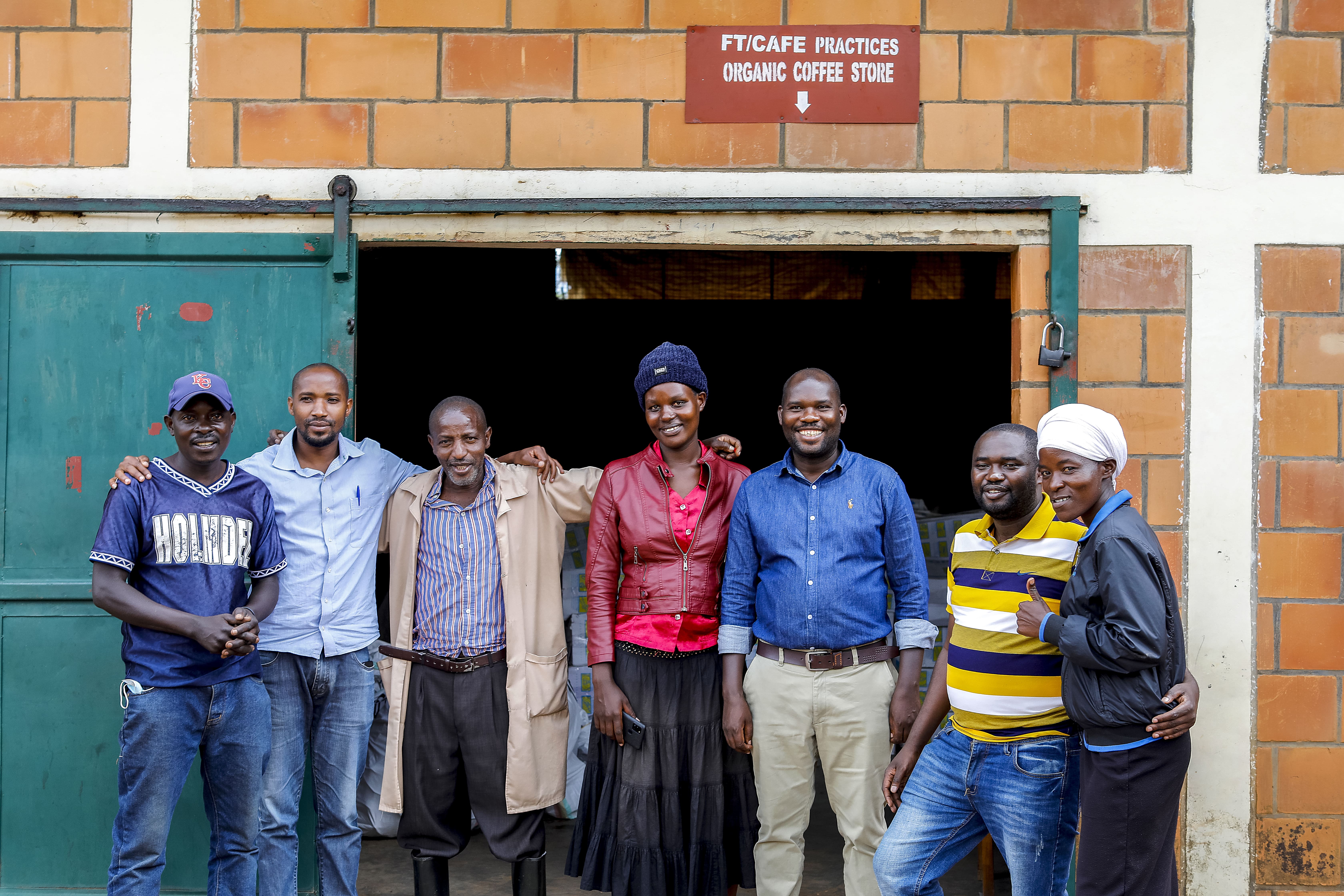
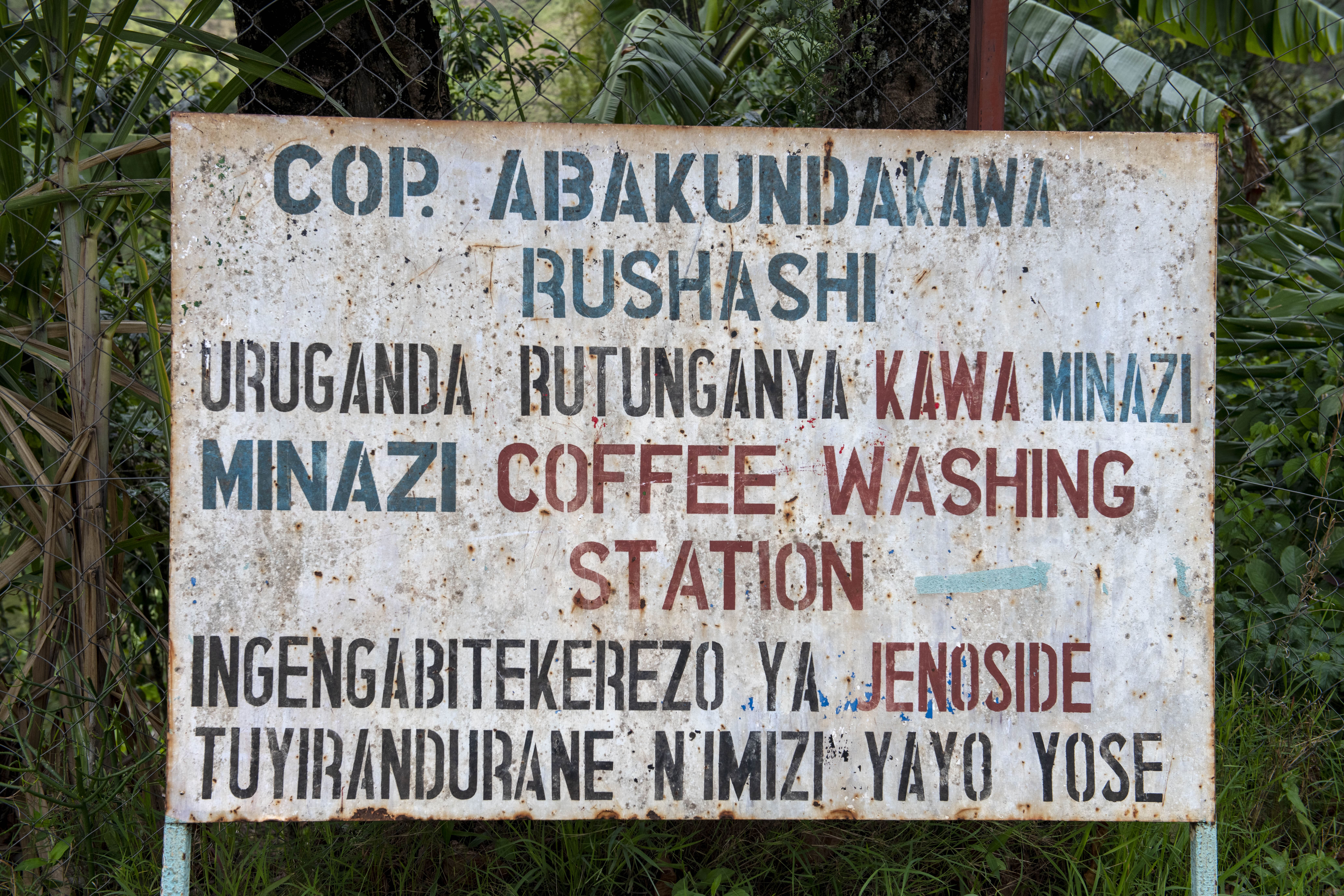

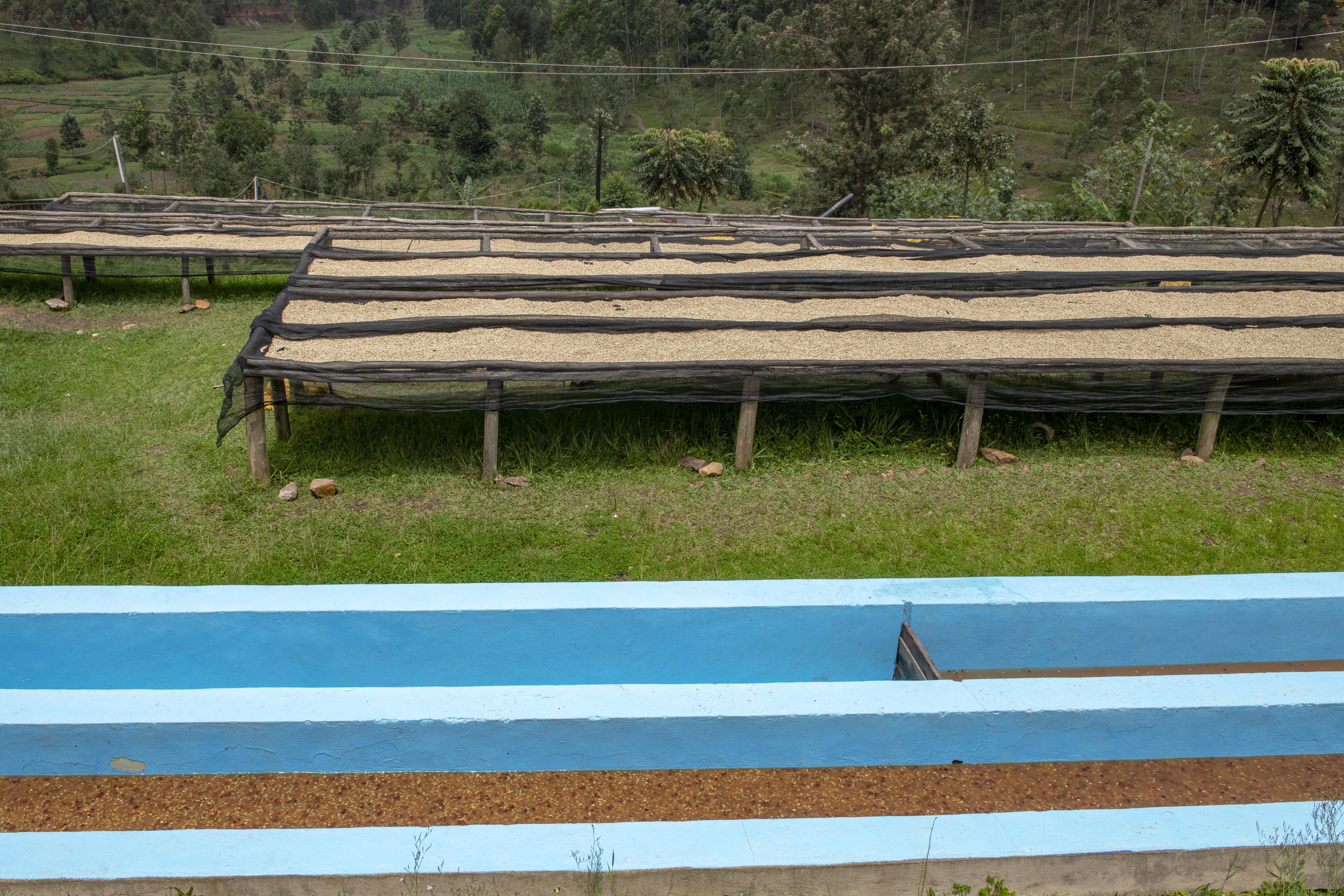
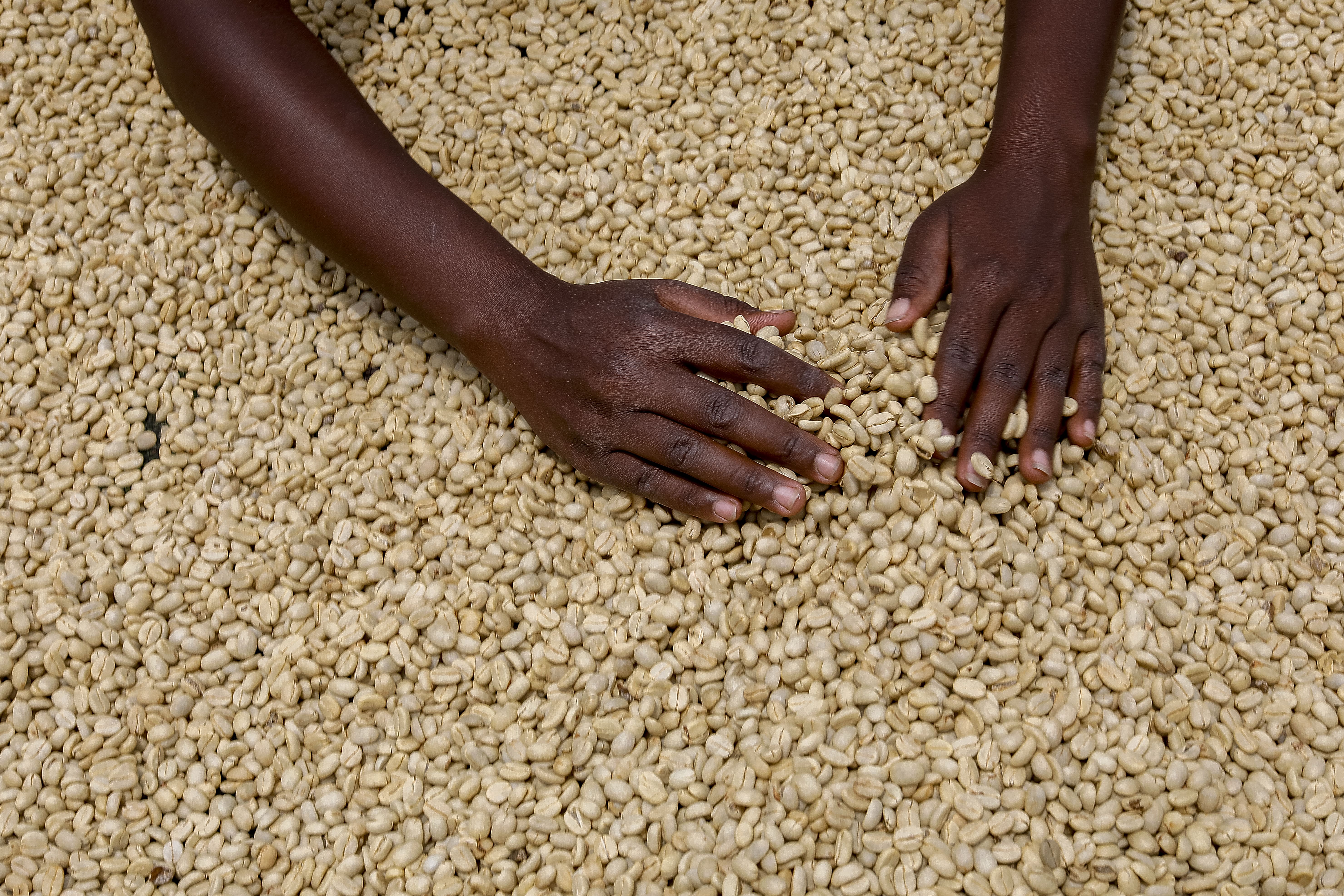
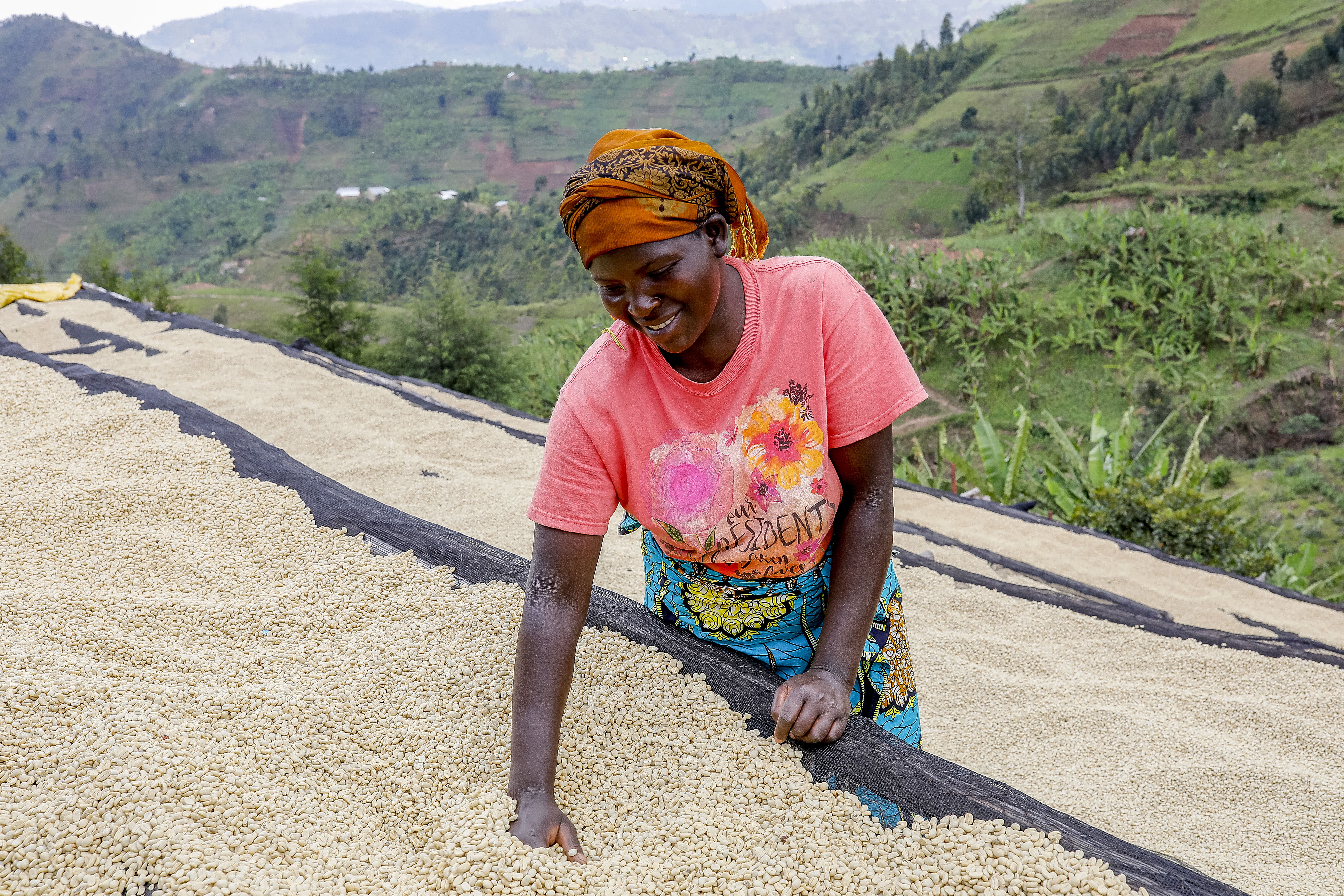


Founded in 1999, the Abakundakawa cooperative now has more than 2,100 members in northern Rwanda, over 40% of whom are women. These small-scale Arabica coffee producers grow high-quality coffee, which has been certified fair trade since 2005 and organic since 2017, and is exported directly to around fifteen customers.
Rwanda is characterised by relative political stability, high population density (over 500 inhabitants per square kilometre) and sustained population growth. Although it is not particularly exposed to climate risks according to Germanwatch, the country has a strict environmental policy that is above the regional average. Its corruption perception index (Transparency International) is also better than that of its neighbours.
However, the country remains marked by an authoritarian regime, a low HDI (165th out of 189) and persistent inequalities. Its economic strategy is based on significant public investment, particularly in infrastructure and services, financed by relatively high debt and taxation compared to its neighbours.
The cooperative’s certifications and quality facilities enable producers to access the international market, obtain better prices and improve operational efficiency, which translates into better remuneration. Producers also benefit from free training and monitoring services, as well as the advantages offered by the cooperative, such as nurseries and grants. Specific initiatives are in place to promote the inclusion of women and young people. Abakundakawa’s activity also contributes to job creation in the Rushashi sector, with 23 permanent employees and 254 seasonal workers in 2022.