 Back to the news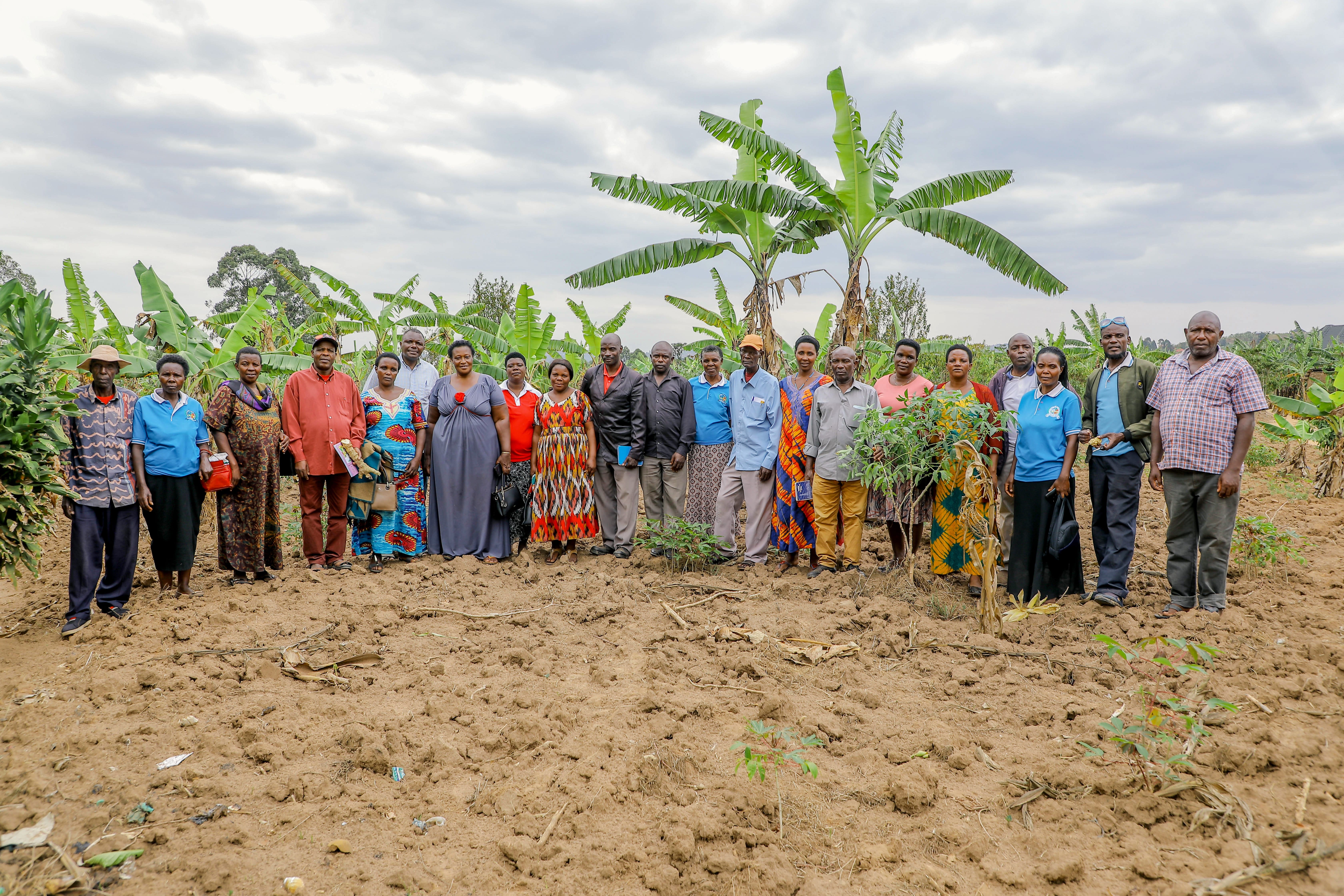
Who’s Kitagata ?
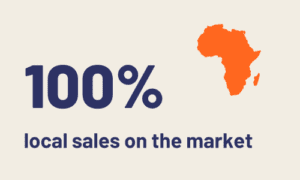
In southwestern Uganda, the Kitagata Mixed Farmers cooperative plays a key role in improving food security and incomes for smallholder farmers. Created in 2013 on the initiative of the farmers themselves, it meets a fundamental need: to have a common space to share the challenges encountered in the field, build collective solutions, and have greater influence with local economic actors. SIDI supports this partner through its locally based branch in Kampala, Soluti. Kitagata mainly sells millet and beans to Ugandans.
A diversified offering for members
Initially active in the Sheema district, Kitagata has gradually expanded into the neighboring districts of Bushenyi, Mitoma and Rubirizi, with a simple rationale: to pool efforts, increase production volumes collected, and better defend the interests of its members. Its vision is clear: to promote local food production and fight hunger, in a context increasingly constrained by climate change.
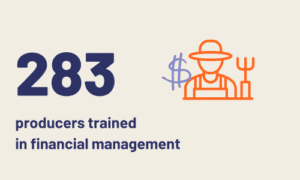
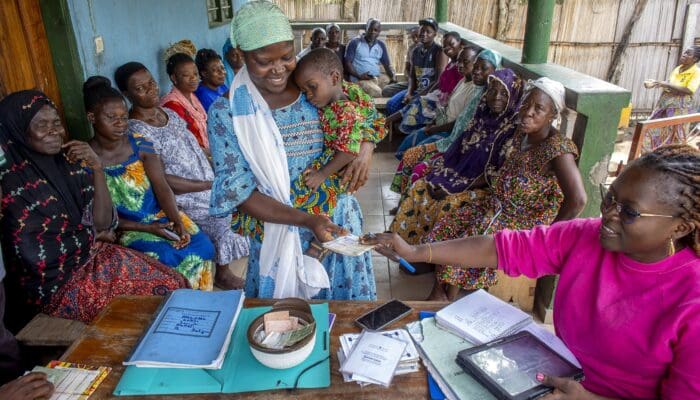
In addition to market access, the cooperative has developed a diversified range of services to best meet the needs of its members: literacy sessions, training in financial management, and assistance in structuring small village savings groups and
credit. In 2024, Kitagata also began granting cash advances to producers, enabling them to meet the needs of the agricultural season.
Kitagata is strongly committed to promoting gender equality. Women account for 66% of the cooperative’s beneficiaries, and specific programs are set up to meet their needs as effectively as possible: this is particularly true of certain groups of widows, who are a very vulnerable group in Uganda, and to whom the cooperative provides additional services.
Facing up to climate challenges
In recent years, the farmers supported by Kitagata have been particularly hard hit by the vagaries of climate change: unpredictable seasons, droughts and declining soil fertility. These shocks severely affect the production of food crops such as millet, maize and beans. Faced with this reality, the cooperative has chosen to become actively involved in promoting more sustainable agricultural practices, adapted to local conditions.
Thanks to the presence of two agronomic technicians on its team, Kitagata raises awareness of environmental issues and supports its members in implementing agroecological techniques: crop rotation,
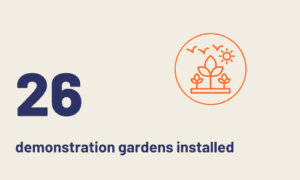
interculture, use of organic manure, mulching, responsible management of wetlands, rainwater harvesting and storage. This support is provided either on an individual basis, to meet the specific needs of producers, or collectively, in areas specifically dedicated to training, known as “demo gardens”.
A structuring project with SIDI
In 2024, SIDI supported the cooperative in strengthening its social and environmental commitment thanks to a structuring program funded by SSNUP, designed around several complementary components:
– Economic and social: to diversify producers’ income and strengthen their resilience in the face of climate change, the cooperative has set up training in cassava cultivation, an emerging sector with high potential and adapted to local climatic conditions.
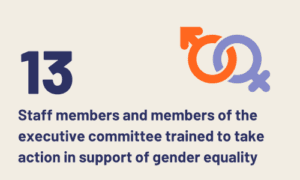
– Gender component: training for trainers in the GALS (Gender Action Learning System) participatory methodology was organized. This community-based approach aims to empower women and men, and combat gender inequalities in households as well as within organizations.
– Environmental aspect: the cooperative has launched an agroecology training program, specifically applied to cassava cultivation, for its small-scale producers.
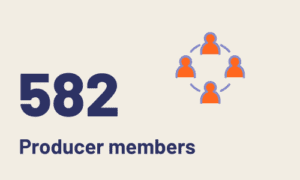
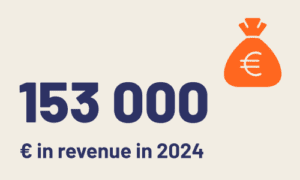
Some key figures about Kitagata