Palestine: the challenge of supporting economic activities in wartime

SIDI has been supporting partners in the Israeli-occupied Palestinian territories since 1988! But SIDI quickly realized that any investment in Palestinian micro-businesses - extremely risky in the absence of a just peace in the region - would only be viable if a guarantee mechanism was put in place to secure these loans and cover the microfinance institutions against losses linked to the occupation.

Understanding the financial tools deployed by SIDI

SIDI has several financing tools at its disposal to support the activities of its partners. For SIDI, “equity investments” consist in acquiring a stake in the capital of partner companies, in order to strengthen their equity capital and support them in their long-term development.

Loans” enable our partners, in particular producer organizations, to pre-finance their members’ harvests.

So what is Daman? Through this article, we wish to highlight this Palestinian guarantee fund, an unusual and innovative means of financial resistance, which, on its own scale, attempts to support the most vulnerable civilian populations.

A little history…

It took almost 10 years to create Daman in 2015, a Palestinian company whose shareholders were initially SIDI, ACAD Finance and ASALA (the latter two being SIDI’s partner Palestinian microfinance institutions). In 2019, the Daman guarantee fund is being replenished thanks to initial co-financing from the Luxembourg government and the NGO CPJPO[1], enabling it to scale up.

One of the main strengths of the Daman guarantee fund is that it has identified “political” risk, i.e. the deleterious effects of the violent occupation of Palestine by the Israeli army, as the main risk to be covered for Palestinian micro-enterprises.

Of course, the initiators of Daman, both at SIDI and ACAD Finance, never imagined that after the bloody and murderous Hamas attack in 2023[2], the terror imposed by Israel, which amounts to war crimes, crimes against humanity and even genocidal risk, would “wipe out” part of the population[3] and the entire infrastructure[4] of the Gaza Strip.

The guarantee fund patiently built up thanks to subsidies from Luxembourg has proved insufficient to meet needs in Gaza, but also in the West Bank, where joint pressure from settlers, the police and the army is leading to violent events and the physical isolation of Palestinian communities and towns. This is a challenge for Daman and especially for its future financing, but it does not prevent it from operating and “doing its bit” in a sometimes dramatic context.

[1] Committee for a Just Peace in the Middle East – https://paixjuste.lu/

[2] Over 1,200 dead, mostly Israeli civilians

[3] 72,000 dead and 180,000 wounded, mostly women and children

[4] 92% of buildings destroyed

How does the Daman guarantee fund work?

Each year, depending on the amounts available, Daman allocates a sum to each of the three Palestinian microfinance institutions: ACAD, ASALA and REEF. These three microfinance institutions inform Daman of the outstanding loans which will benefit from this coverage and which meet the repayment criteria. No money is transferred. This is the maximum global sum that the microfinance institution can claim from the guarantee fund, if it ever demonstrates that its client has been unable to pay its loan because of the Israeli occupation.

Conditions for repayment and cancellation of Daman guarantee fund debts

The Daman guarantee fund doesn’t repay just anything and everything. Insured” loans must be under US$10,000, for a maximum of 48 months, for income-generating activities. Consumer loans are excluded. Daman reimburses only the principal, i.e. unpaid interest is assumed by the microfinance institution. If the customer has been in default for more than a year, then the microfinance institution can turn to the Daman guarantee fund to request repayment. And if the customer was already in default (late payments) before the “accident of life” linked to the military occupation, the loan is not eligible for repayment.

For their part, microfinance institutions contribute 1.5% of the guaranteed portfolio to Daman’s costs.

In the field, concrete examples to illustrate the situation

Mohamed H applied for a loan of US$4,000 for his cage-making workshop, which enables him to raise poultry. During the attack on the Tulkarem refugee camp in early 2025, Israeli bulldozers razed his workshop to the ground. Mohamed H lost everything.

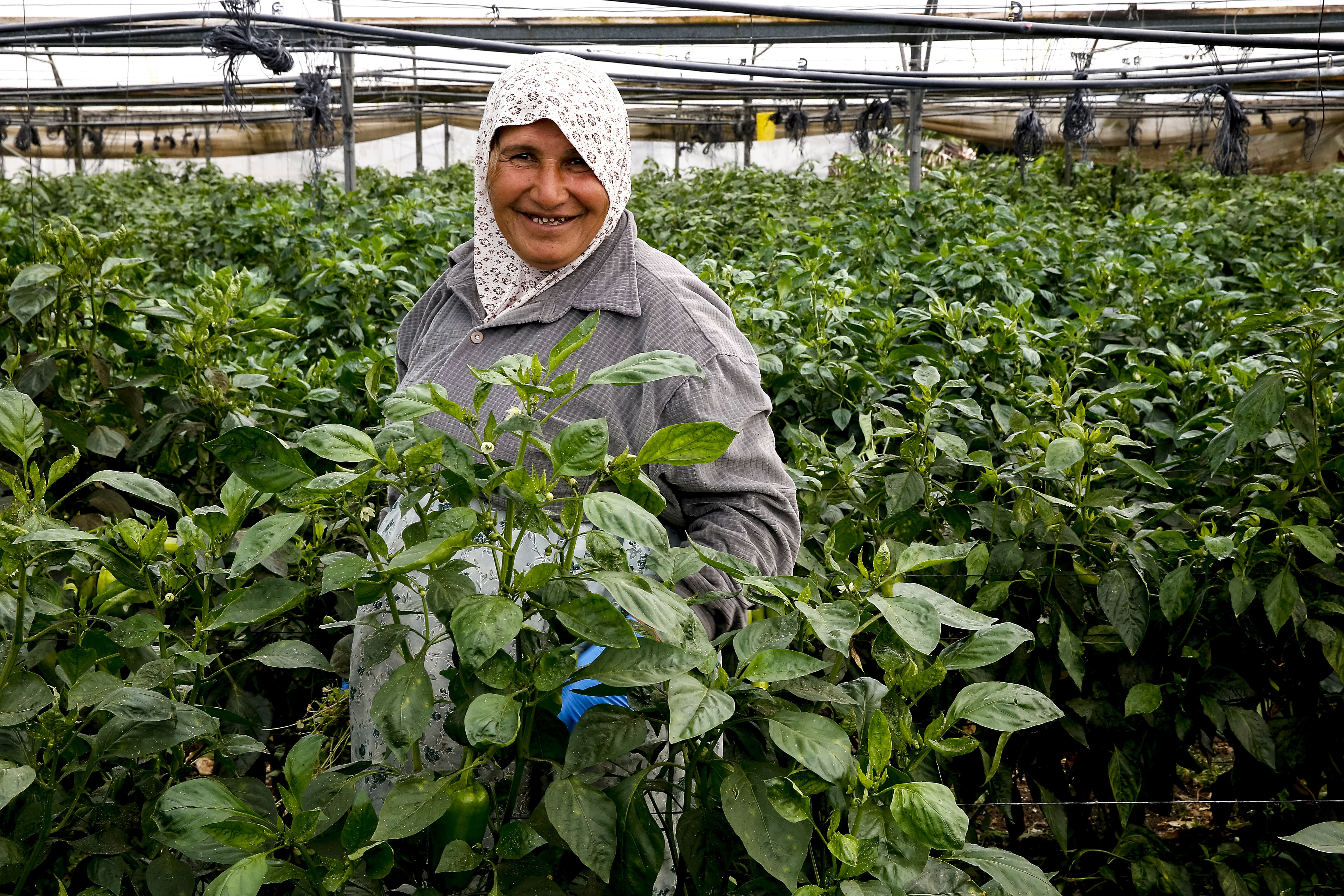
There’s also the story of Assel A, who had taken out a loan to invest in her market gardening activities by installing a greenhouse. The village where she lives was “closed” by settlers for a few days. She was unable to access it and irrigate the fields. The entire harvest was lost, and the tarpaulins were lacerated by the settlers.

These two customers are unable to pay their loans, and provide a concrete illustration of the colossal difficulties encountered by Palestinians in maintaining an income-generating activity in the context of war.

The microfinance institution that granted the loan can then submit a claim for reimbursement to the Daman guarantee fund by preparing a file. If the claim is admissible, Daman appoints an “expert” to verify the veracity of the facts. If the report is favorable, Daman can then disburse the funds to the microfinance institution and cancel the customer’s debt. Around 85% of applications submitted by microfinance institutions to the Daman guarantee fund are accepted.

This makes it easier for Palestinian microfinance institutions to rely on this mechanism, which covers part of the financial risks incurred. By reassuring Palestinian microfinance institutions, it is ultimately vulnerable populations who benefit more easily from loans to invest in income-generating activities, despite the war.

In 2024 (annus horribilis given the total losses recorded in Gaza), Daman was able to compensate $332,623 from 386 customers of the three microfinance institutions[1]. To conclude, let’s give the floor to the evaluator commissioned by :

The evaluation of the project shows that, despite all the constraints linked to the context, Daman remained operational and played a stabilizing role by enabling MFIs to benefit from its risk coverage. This enabled them to lend to very vulnerable customers, which would probably not have been possible without Daman.[2].

The big challenge remains: how can Daman be sustainably capitalized to meet the very specific needs of a zone of war and occupation such as Palestine? This is what Daman and its shareholders need to do!

[1] US$634,000 since the start of the Daman operation

[2] Project evaluation of Daman for SME’s by MFR


Kitagata: a Ugandan cooperative promoting resilient agriculture

Who’s Kitagata ?

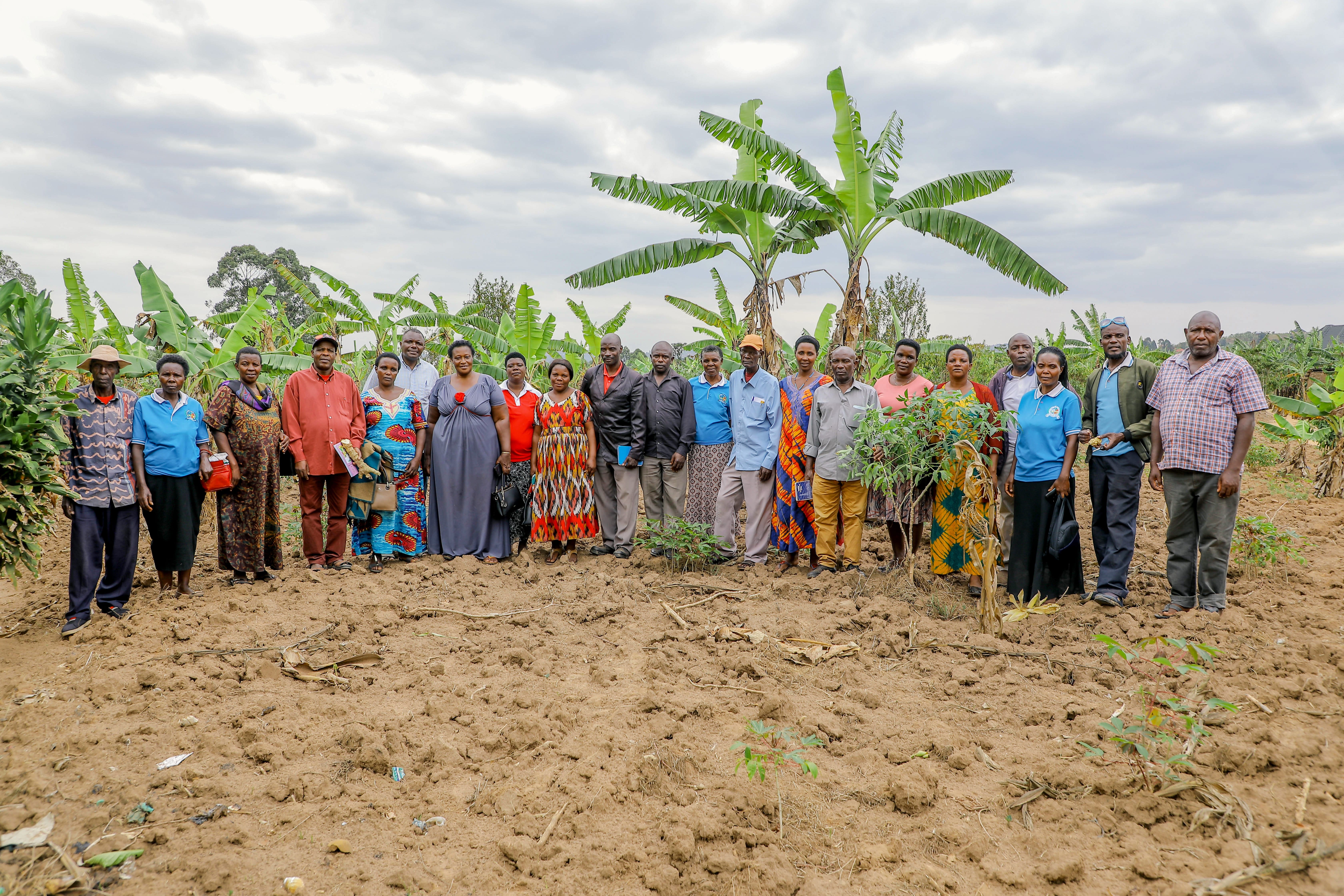
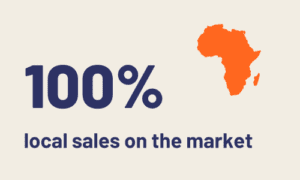
In southwestern Uganda, the Kitagata Mixed Farmers cooperative plays a key role in improving food security and incomes for smallholder farmers. Created in 2013 on the initiative of the farmers themselves, it meets a fundamental need: to have a common space to share the challenges encountered in the field, build collective solutions, and have greater influence with local economic actors. SIDI supports this partner through its locally based branch in Kampala, Soluti. Kitagata mainly sells millet and beans to Ugandans.

A diversified offering for members

Initially active in the Sheema district, Kitagata has gradually expanded into the neighboring districts of Bushenyi, Mitoma and Rubirizi, with a simple rationale: to pool efforts, increase production volumes collected, and better defend the interests of its members. Its vision is clear: to promote local food production and fight hunger, in a context increasingly constrained by climate change.

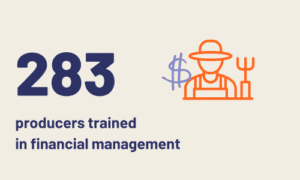
In addition to market access, the cooperative has developed a diversified range of services to best meet the needs of its members: literacy sessions, training in financial management, and assistance in structuring small village savings groups and
credit. In 2024, Kitagata also began granting cash advances to producers, enabling them to meet the needs of the agricultural season.

Kitagata is strongly committed to promoting gender equality. Women account for 66% of the cooperative’s beneficiaries, and specific programs are set up to meet their needs as effectively as possible: this is particularly true of certain groups of widows, who are a very vulnerable group in Uganda, and to whom the cooperative provides additional services.

Facing up to climate challenges

In recent years, the farmers supported by Kitagata have been particularly hard hit by the vagaries of climate change: unpredictable seasons, droughts and declining soil fertility. These shocks severely affect the production of food crops such as millet, maize and beans. Faced with this reality, the cooperative has chosen to become actively involved in promoting more sustainable agricultural practices, adapted to local conditions.

Thanks to the presence of two agronomic technicians on its team, Kitagata raises awareness of environmental issues and supports its members in implementing agroecological techniques: crop rotation,
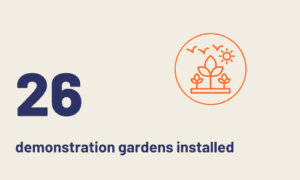
interculture, use of organic manure, mulching, responsible management of wetlands, rainwater harvesting and storage. This support is provided either on an individual basis, to meet the specific needs of producers, or collectively, in areas specifically dedicated to training, known as “demo gardens”.

A structuring project with SIDI

In 2024, SIDI supported the cooperative in strengthening its social and environmental commitment thanks to a structuring program funded by SSNUP, designed around several complementary components:

Economic and social: to diversify producers’ income and strengthen their resilience in the face of climate change, the cooperative has set up training in cassava cultivation, an emerging sector with high potential and adapted to local climatic conditions.

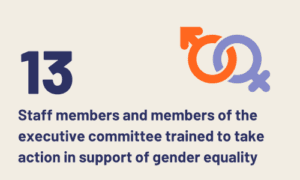
Gender component: training for trainers in the GALS (Gender Action Learning System) participatory methodology was organized. This community-based approach aims to empower women and men, and combat gender inequalities in households as well as within organizations.

Environmental aspect: the cooperative has launched an agroecology training program, specifically applied to cassava cultivation, for its small-scale producers.

Some key figures about Kitagata

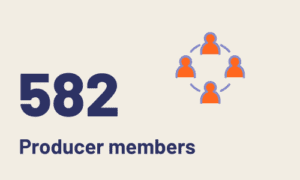
Key Figures Kitagata - 582 producer members
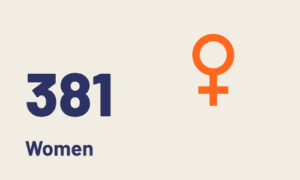
Key figures Kitagata Uganda- women
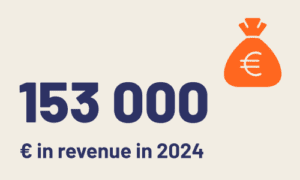
Key figure Kitagata Uganda - revenue 2024
Key figures Kitagata Uganda - local sales on the market
Key figures Kitagata Uganda - financial training 2025
Key figures Kitagata Uganda - gender training for staff and board members
Key figures Kitagata Uganda - 329 trained agroecology cassava cultivation
Key figures Kitagata Uganda - gardens installed

FEFISOL II in video

Discover the new FEFISOL II video, our solidarity investment fund dedicated to financing rural microfinance and small family farms in Africa.

Read the testimonials of several players in the FEFISOL II fund, which provides financing and technical support to over 40 agricultural cooperatives and microfinance institutions in 17 African countries. The aim is to respond to major challenges:

  • Accelerating the ecological transition
  • Supporting sustainable agrifood systems
  • Creating decent jobs in rural communities
  • Promoting gender equality, for example by improving women’s access to quality jobs and management positions

Fefisol II includes high-impact financing in key agricultural sectors, such as vanilla in Madagascar, or coffee in Rwanda and East Africa.

Since its creation, FEFISOL II has already supported organizations to the tune of over 41 million euros, and committed over 468 million euros in technical assistance.

The SIDI and Alterfin teams would like to thank all those who have supported the initiative: the European Investment Bank, BIO, Proparco, BRS – Belgian Raiffeisen Foundation, Banque Alternative Suisse, SOS Faim, Banca Etica, Groupe Caisse des Dépôts, and Crédit Coopératif.

Back from mission: improving the social and environmental impact of microfinance in Bolivia

Mission Bolivie SIDI IFD Pro - 2025

Each quarter, a member of SIDI's operational team shares with us a mission carried out with partners and their beneficiaries. Cristina Alvarez, Head of Operations in Latin America, tells us about her mission in Bolivia with the microfinance institution Idepro IFD (Institution Financière de Développement). A mission focused on support, the strategic pillar of SIDI's mission.

I went to Bolivia in July 2025 to meet our partners. This time, it was a mission focused on supporting our partner Idepro IFD, a major microfinance institution in the country with over 45,000 borrowers.

It’s a special situation. In May 2024, after a merger, Idepro IFD absorbed our former partner, Sembrar Sartawi. Sembrar Sartawi tended to lend in rural and agricultural areas, whereas Idepro IFD is more rooted in urban areas, in trade and services.

SIDI, already a shareholder in Sembrar Sartawi, encouraged the merger. It remained a shareholder and lender of Idepro IFD, just as it was of Sembrar Sartawi. Our presence, as a supportive institutional shareholder, marks a new departure for the organization, which had previously relied solely on local social entrepreneurs.

At the end of 2024, Idepro IFD begins work on a new strategic plan in which SIDI is involved as a shareholder. The organization defines new mission, organizational and financial objectives.

One of these objectives is to improve the measurement of its social and environmental performance, in order to strengthen the impact that its range of financial products and services has on its customers, their families and the environment. Our discussions gave rise to this support project, designed to help them define a social and environmental performance management strategy, and identify the indicators for measuring it.

At SIDI, one of our main areas of intervention is to specifically support our partners in these areas.

We began working together remotely, with my colleague Ariane Bevierre, in charge of Social and Environmental Performance (SEP). We then organized our mission to coincide with several governance meetings organized by Idepro IFD, including their Board of Directors meeting.

The day after our arrival in La Paz, we take part in the newly created Impact Committee, to present the project prepared with their teams.

For us, it’s always an achievement to be involved in governance bodies and to introduce this new subject to our partners. Sometimes, some people consider social and environmental performance to be a side issue, not a priority.

On the contrary, when we present the project to the Committee and then to the Board of Directors, I’m struck by their interest. How can we go further than defining objectives? How can we concretely measure our social and environmental impact? How can we integrate this with our customers? Their involvement is particularly motivating for us.

Discover their technological innovations

The next day, their Head of Information and Management Systems presented us with an entire project based on data management. We learn that Idepro IFD is in the process of creating a huge database that will enable each of the divisions to feed back their information and identify the processing required for their day-to-day operations.

For my colleague Ariane Bevierre, this is excellent news. The existence of this project is an essential asset for improving the measurement of social and environmental performance, and even for anticipating certain risk situations. For example, to show the fragility of a crop in the face of climate change, and to offer customers training in agroecology so that they can diversify their crops or optimize their water resources.

Visiting customers who benefit from Idepro IFD loans

Over the next few days, we head for El Alto, a town perched at an altitude of 4149 metres! It’s very impressive, with its streets and houses stretching as far as the eye can see. We meet several of Idepro IFD’s customers and discover another facet of its technological advance. Among them is a young woman working in the textile industry. It was thanks to the savings application developed by the institution that she was able to start saving. In Bolivia, most young people have a cell phone, but few have access to banking services. Being able to save every month with her phone proved very practical for her, and she was able to develop a new business thanks to this money. Idepro IFD has thus succeeded in reaching out to a young audience, largely in the informal economy.
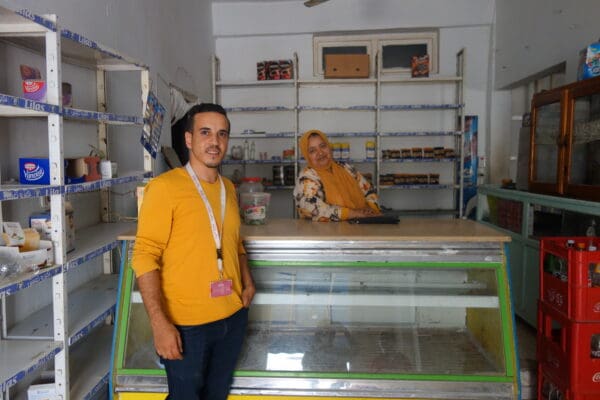
Visiting the field, we can clearly see the social impact on loan beneficiaries, with improved living conditions and the ability to save, not just borrow.

But you can’t always be in the field. That’s why helping a partner to monitor its social and environmental performance gives a new dimension to its impact: measuring it, qualifying it and understanding it on a large scale thanks to a structured analysis of its data.

Back in France, my colleague Ariane and I discuss how the mission went. Satisfied with the work we’ve done with governance, we leave motivated to further improve the project thanks to our partner’s contributions. We also look forward to working with partners who can benefit from our feedback.

Interview by Anne-Isabelle Barthélémy


To find out more, go to“Understanding social and environmental performance measurement“.

In Kenya, our partner Yehu Impact Limited receives an award from the international agency MicroFinanza Rating

In Kenya, Yehu Impact Limited, a partner of Soluti, SIDI's subsidiary for East Africa, recently obtained certification for its commitment to protecting vulnerable clients.

What role do international rating agencies play?

Since the late 2000s, rating agencies have developed along the lines of their conventional financial counterparts, to ensure that microfinance institutions follow sound management practices. Indeed, against a backdrop of massive demand for financial services from small-scale entrepreneurs in the informal sector, some players may have seen this as a huge market with more potential for profit than impact… as evidenced by the recurrent scandals in certain countries that have been reported in the media.

These agencies, including MicroFinanza Rating, a pioneering leader based in Milan, play an important role in this respect, since they analyze in detail the data and practices of microfinance institutions, leading to an independent rating. More importantly, they help to spread best practice in the sector, leading to the development of internationally recognized standards. These standards are then set by the Social Performance Task Force, an NGO that brings together all the players involved.

Customer protection: what exactly are we talking about?

One of the major challenges of these best practices is to protect customers. Vulnerable populations, often poorly educated in financial matters, can easily fall into spirals of over-indebtedness, or even be the target of fraud. These standards will therefore ensure that the microfinance institution takes every measure in its power to prevent a beneficiary from becoming over-indebted.

Similarly, microfinance institutions must ensure that customers can fully understand the conditions of the loans (rates and various fees, procedures in the event of arrears, etc.) they are about to take out. For example, microfinance institutions offer contracts in local languages, with explanations given orally and not just in writing. This set of best practices has been brought together in a recognized standard known as the “Client Protection Pathway”.Client Protection Pathway“.

In Kenya, Yehu Microfinance rewarded for its efforts to help the most marginalized populations

Kenya is East Africa’s leading economy. It is a leader in technological innovation to enable financial inclusion of marginalized populations, with the invention of “Mobile Banking”, i.e. the possibility of paying or saving with a simple cell phone, long before the arrival of smartphones. Microfinance has also been developing very dynamically for over 20 years, but without any real regulatory framework.
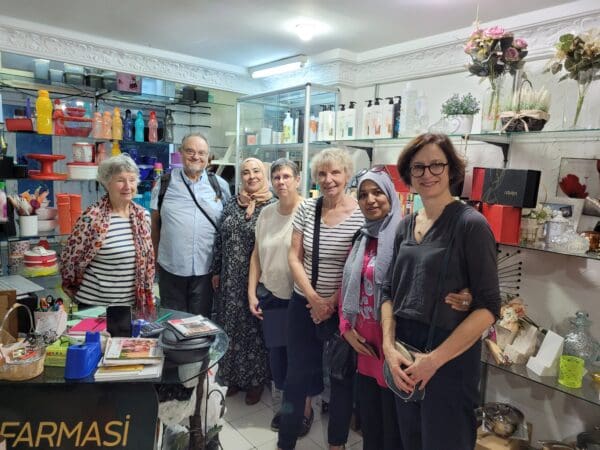
By obtaining the silver level of ” Client Protection Certification “, Yehu Impact Limited demonstrates that it has met and exceeded a set of rigorous criteria on the quality and ethics of its practices to protect its clients. This recognition reinforces Yehu Impact Limited’s credibility in terms of social impact: the money invested serves the development and autonomy of vulnerable communities, and their economic integration.

Who is Yehu Microfinance?

Yehu Impact Limited is a microfinance institution founded in Kenya in 1998 by Choice Humanitarian, an international NGO. It began its activities by organizing women’s groups and facilitating their access to savings. Today, Yehu Impact Limited reaches over 70,000 beneficiaries, mainly rural women, with the aim of empowering their communities through affordable, sustainable and socially responsible microcredit.

Yehu Impact Limited provides financial education to the most vulnerable populations through a series of training courses on financial management. In this way, the microfinance institution supports the creation of income-generating activities in agriculture, green energies, micro-insurance and other areas.

SIDI is particularly proud of the Yehu Impact Limited teams’ commitment to inclusive finance. This client protection certification is part of the recognition of this microfinance institution’s efforts to empower the most marginalized communities in rural Kenya.

5 good reasons to become a SIDI shareholder

Burundi, IMF Ishaka 2025 ©philippe lissac/godong pour SIDI

What if your money contributed directly to building a fairer, more sustainable economy?

Being a solidarity shareholder means taking part in the capital of a social economy company by buying shares[1].

To mark Solidarity Finance Week, discover 5 good reasons to become a SIDI solidarity shareholder and give meaning to your savings.


  1. Supporting projects with a strong social and environmental impact

Being a socially responsible shareholder means wanting your money to have a social and environmental purpose.

At SIDI, your savings finance initiatives that promote ecological, economic and social transition in developing countries: sustainable family farming, local entrepreneurship, access to financial services.

In 2024, the capital contributed by SIDI’s more than 2,000 solidarity shareholders represented 35.2 million euros, invested in projects where needs are greatest, but where investors have little or no involvement.

More than 10 million people have benefited from SIDI’s support through its 127 partners in 33 countries.

  1. Giving people the means to live in dignity

Becoming a community shareholder means giving men and women the means to develop their economic activities, ensure a stable income and support their communities.

Your savings strengthen producer cooperatives, microfinance institutions and small businesses rooted in rural areas often considered too risky by traditional financiers.

By supporting these essential players, you are directly helping to combat poverty and economic inequality, and to build a fairer, more sustainable local economy.
  1. Benefit from savings available at any time

Since our creation over 40 years ago, SIDI has demonstrated the relevance of its action and the stability of its business model. The shareholders have continually decided to reinvest the entire year’s earnings in field activities to maximize their impact.

In return, solidarity shareholders can redeem their shares at any time at their initial value (€152), free of charge.

  1. Taking concrete action

The world’s economic, climatic, social and geopolitical crises all too often make us feel like powerless spectators.

They show just how interdependent our world has become: what happens in the North has an impact in the South, and vice versa. Yet international cooperation and solidarity continue to shrink. It is vital that we continue to fund those who are fighting to build an economy that serves people and respects the planet’s vital balances.

Being a socially responsible shareholder means regaining control over your money and actively participating in the world you want to see.

  1. Proving that a different kind of finance is possible

SIDI is the embodiment of a more humane economic model, based on transparent finance that supports its partners over the long term and with patience. Even in times of crisis, we remain at their side. We not only provide financial support, but also tailor-made assistance to help them strengthen their activities over the long term.

In this way, your money contributes to the sustainable structuring of the local economic fabric.


What’s next?

Becoming a community shareholder is easy and accessible, with just a few clicks on our website, or by post or telephone for those who prefer it.

You too can give meaning to your savings and join a community of committed shareholders supported by SIDI.

👉 Find out how to become a community shareholder on the dedicated page

Contact: c.vidal[at]sidi.fr / 01 40 46 70 00


[1] Being a solidarity shareholder can also take the form of shares or equity securities, depending on the legal form of the organization.

SIDI trip to Tunisia, local solutions to global challenges

An in-depth look at the initiatives that are transforming the country's economic and social challenges into concrete opportunities.

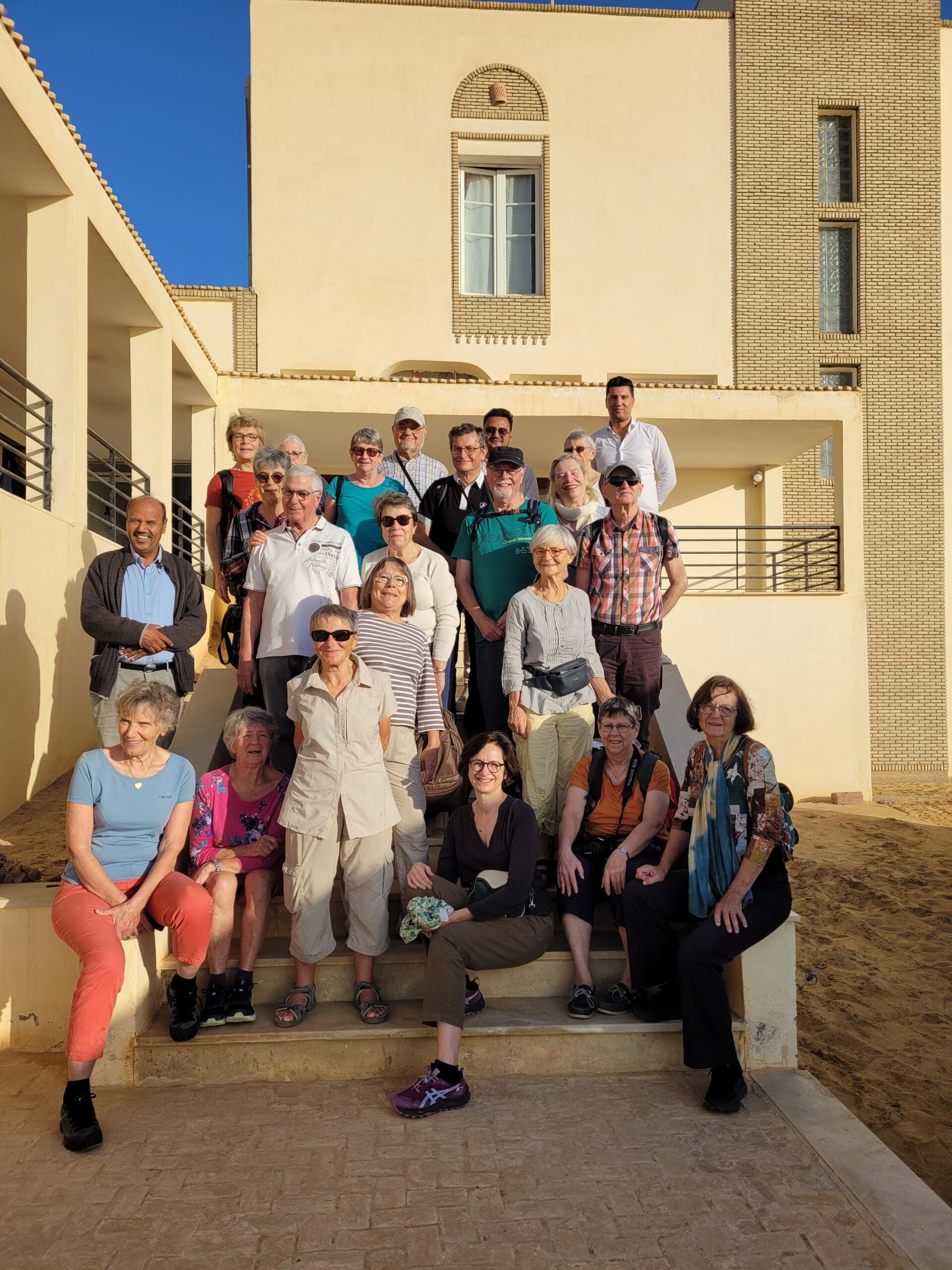
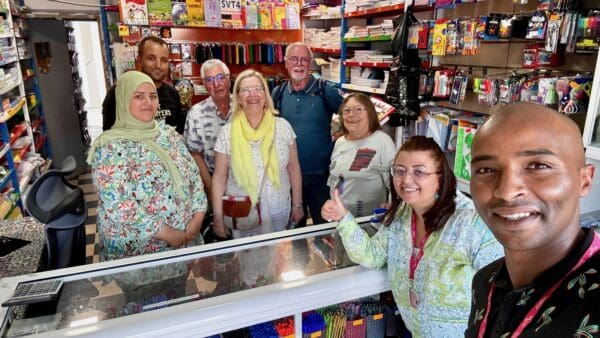
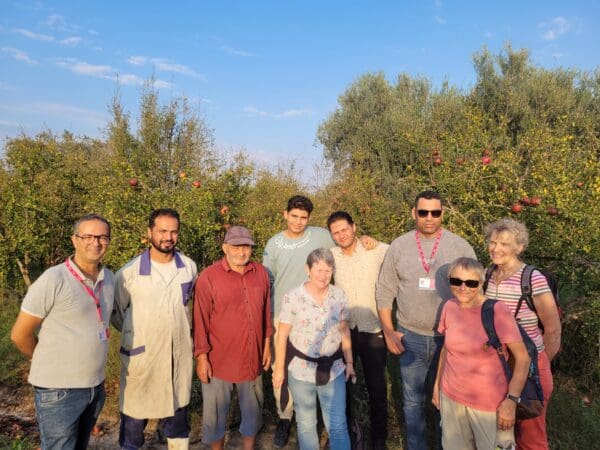
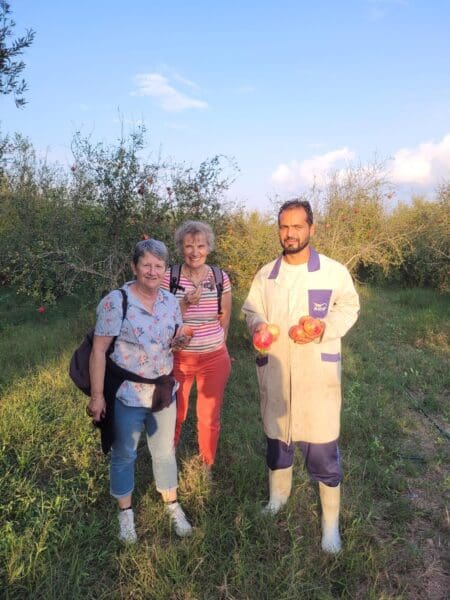
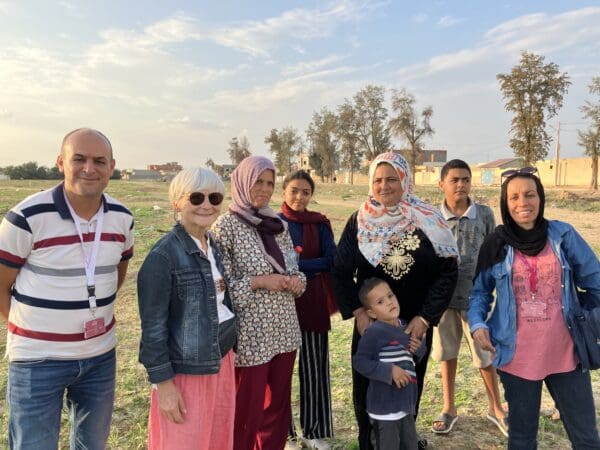
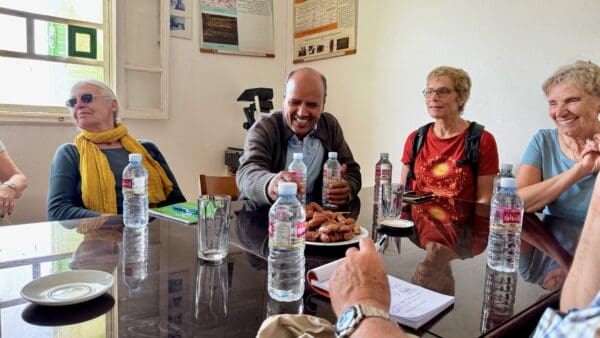
At the beginning of November, a group of SIDI savers and solidarity shareholders travelled to Tunisia to discover how their investments come to life in the field. The trip enabled them to meet SIDI’s local partners and discover the projects supported, thus embodying the chain of financial solidarity that unites savers here and micro-entrepreneurs or small producers there.

Tunisia is facing multiple crises: democratic transition at a standstill, deteriorating public services, galloping inflation, very high unemployment, particularly among young people, large-scale emigration to Europe and Canada, illegal immigration from sub-Saharan Africa, etc. These political, economic and social challenges are compounded by environmental issues, in particular the water crisis exacerbated by recurrent droughts. Added to these political, economic and social challenges is the environmental issue, and in particular the water crisis exacerbated by recurrent droughts. In this context, SIDI’s partners, whether in sustainable agricultural sectors such as Beni Ghreb and South Organic, or in the microfinance sector such as Enda Tamweel, play a crucial role in supporting vulnerable communities in their economic development and improving their living conditions.

Enda Tamweel: microfinance for emancipation

Enda Tamweel has become the country’s leading Microfinance Institution (MFI): 472,000 customers for a country of 11 million inhabitants. SIDI has been a partner since its creation in 2015, when it acquired a stake in the MFI. Enda Tamweel offers small loans designed to support micro-entrepreneurs and small farmers in their economic activities. It primarily targets the informal sector (59% of its customers live below the poverty line), women and young people, and the rural sector with strategic support for agriculture. Today, the MFI is the leading financier of small-scale agriculture in Tunisia.

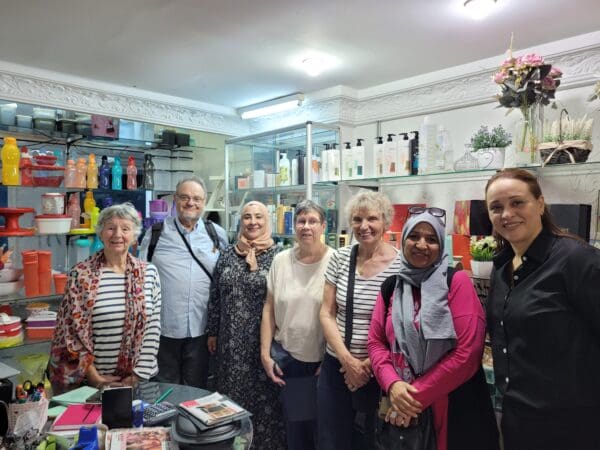
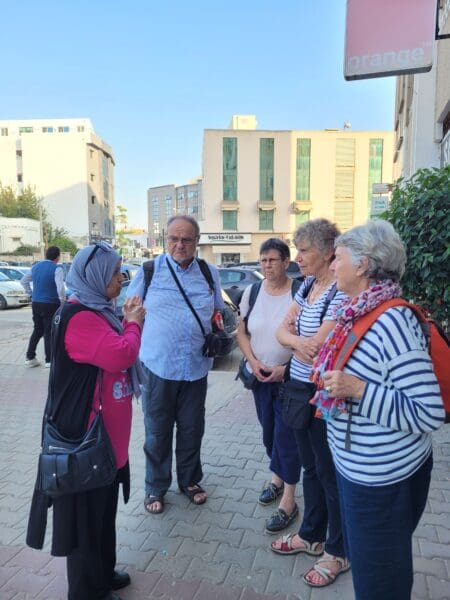
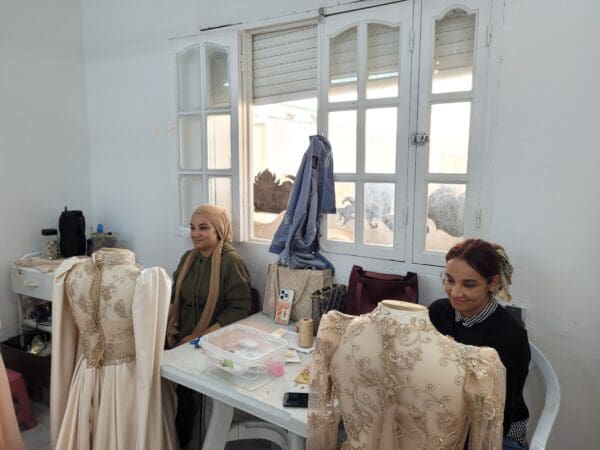
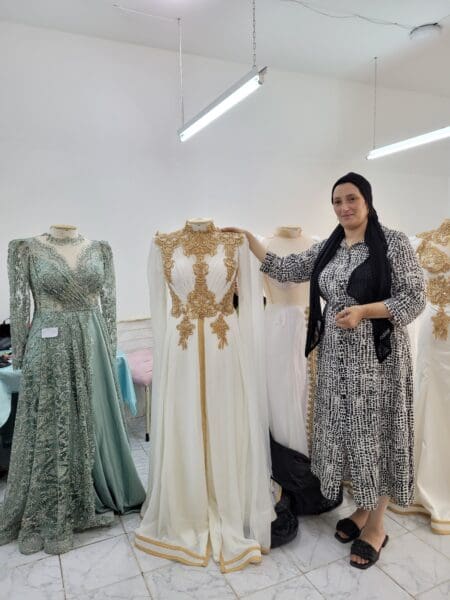
During our visits, we were able to talk to beneficiaries whose inspiring stories illustrate the impact of this organization. In a working-class district of Tunis, we met Amina, a shopkeeper and Enda customer for many years. Amina is on her 12th loan cycle with Enda, which has enabled her to expand her business, build up sufficient stock, send her children to school and secure her future. In another district, a sewing workshop supported by Enda for over 20 years now employs seven women, demonstrating that microfinance can be a lever for long-term sustainable development. In Kairouan, in the center of the country, another beneficiary impressed us with his small dairy cow farm. This project, which began with the purchase of a single cow thanks to a microcredit, has gradually grown to include seven cows and a fully-equipped barn. With the ongoing support of his specialist advisor, he now meets the strict standards of the local dairy, which collects his milk.

From the farmer who started out with one cow to the craftswoman who makes evening dresses and now employs seven seamstresses, these initiatives bear witness to the lasting impact of microfinance. This support goes far beyond the financial. Enda offers all its customers free training and local support, guaranteeing a strong relationship of trust between loan officer and beneficiary, as well as the sustainability of projects and genuine social inclusion. These initiatives transform not only individual lives, but entire communities.

South Organic and Beni Ghreb: innovation in the face of the water crisis

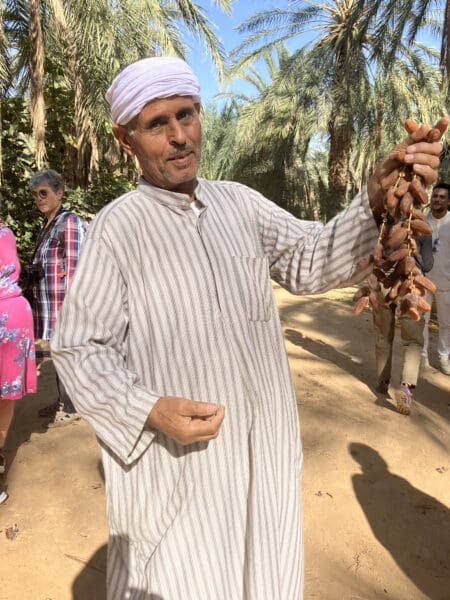
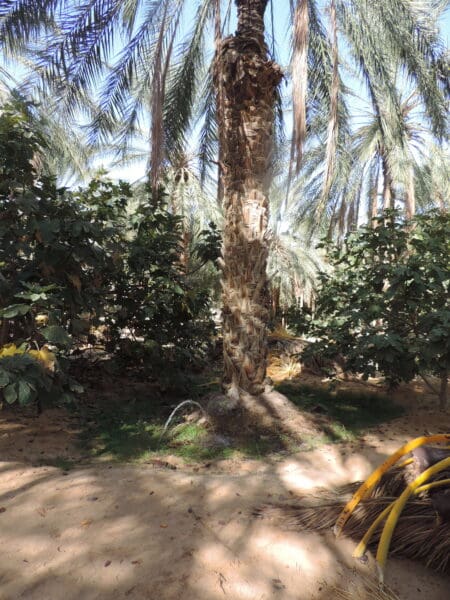
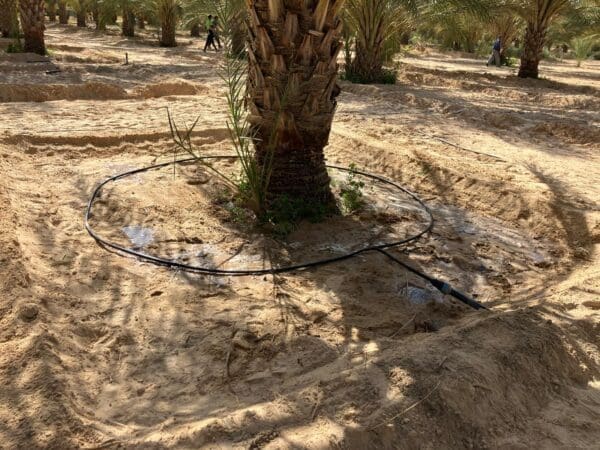
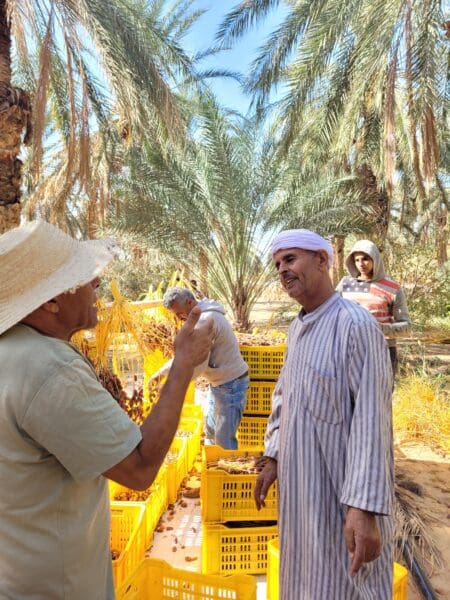
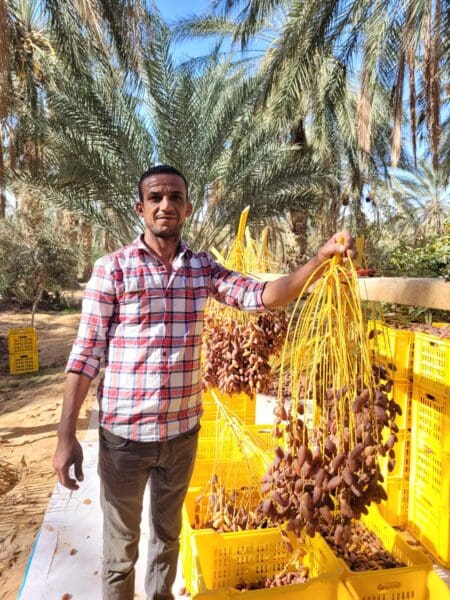
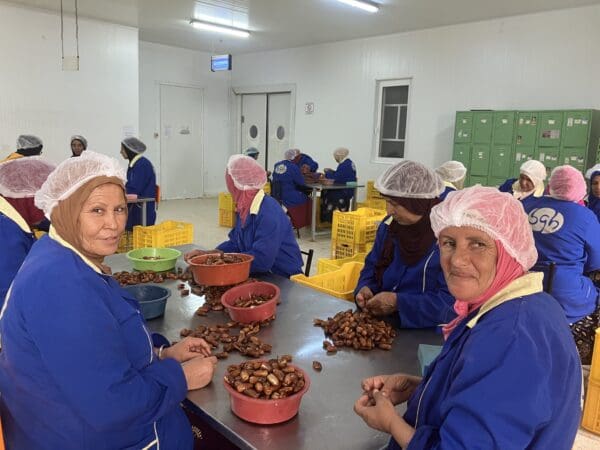
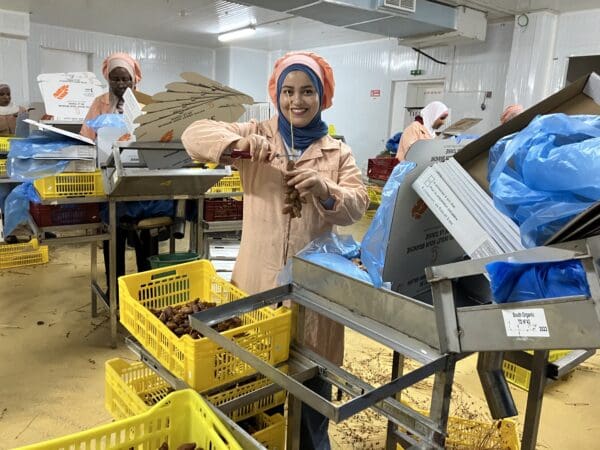
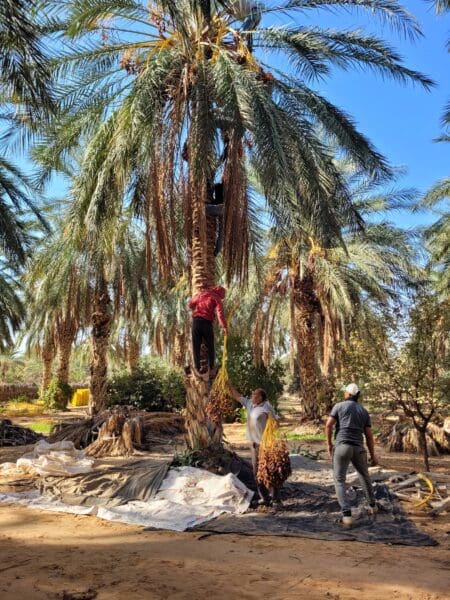
In southern Tunisia, water management is a daily challenge for farmers, especially date growers. We headed for the Hazoua oasis, on the Algerian border, where a family of producers has set up and runs a small business marketing and exporting Beni Ghreb dates. The company is backed by the Groupement pour le Développement de l’Agriculture en Biodynamie, which groups together around a hundred producers from the oasis. The dates produced are of the excellent Deglet Nour variety. Attending the date harvest on one of the producers’ plots is a magical moment. We were able to see the sprinkler irrigation system in place, which saves 70% of water consumption, and allows other crops to grow between the date palms, notably fruit bushes. We then visited the packaging unit, which employs around a hundred young women from the village. Beni Ghreb is struggling to maintain its autonomy in a very fragile economic context. The emotion was palpable when the founder recalled that, thanks to the financial support of SIDI, and therefore of its shareholders, the community had overcome major crises such as drought, insect infestations, and above all the Covid crisis which had halted exports. “This project is life for Hazoua,” he insisted.
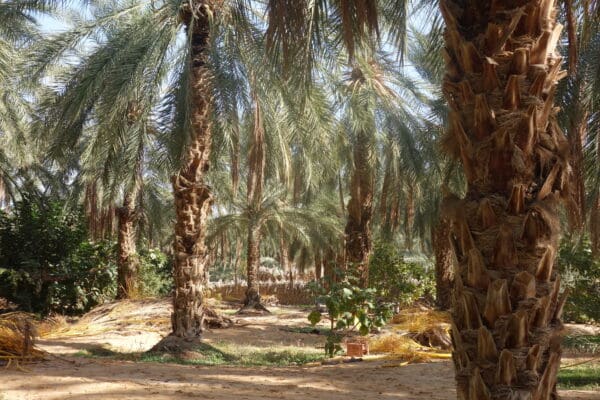
South Organic, another of SIDI’s partner date-packing and export SMEs, located in Kebili, some 100 km to the east, is also tackling the water issue with innovative solutions. South Organic works with 200 certified organic producers and employs just over 500 people, most of them women. Accompanied by the director and quality control manager, we visited their Al Wahaat pilot orchard, where the hydraulic engineer in charge of the project explained the irrigation system in place. This system drastically reduces water wastage by targeting the exact needs of crops, storing water, and alternating irrigation techniques according to the time of year. With this optimal water management, the crop stages under the date palms (legumes, arboriculture etc.) are re-established and can provide growers with additional income while promoting local biodiversity. The pilot orchard is open to all farmers in the region; they are invited to visit the plot and adopt these new techniques, thus amplifying its impact on a local scale.

A universal message

Each stage of this journey illustrated the strength of concrete and effective international solidarity. The projects encountered, whether in microfinance or sustainable agriculture, embodied the values that SIDI stands for: perseverance, solidarity and respect for people. For the participants, the trip not only enabled them to see the impact of their investments, but also to nurture their commitment to fairer, more sustainable development.

Discover SIDI’s 2021 activity report

The 2021 Activity Report is online!

The year 2021 was still very much marked by the effects of the Covid19 pandemic, but let us salute everyone’s commitment, which enabled SIDI to pursue its mission as a solidarity investor serving the financial and economic inclusion of populations excluded from conventional financial systems.

Discover the performances and achievements of SIDI and its partner organizations, all committed to ecological and social transition. Aware of the significant financing and support needs that remain, SIDI is fully mobilized to respond to the ever-increasing challenges facing the most vulnerable populations.

Let’s stick to our course and our ambition to promote socially responsible finance!


View the webinar on partner support

[chapeau]You can watch or re-watch this new edition of Les Témoins en Actes webinar on support, the cornerstone of the solidarity investor’s mission.[/chapeau]

The webinar featured Abdou-Rasmané OUEDRAOGO, Managing Director of Union des Baoré Tradition d’Epargne et de Crédit (UBTEC). UBTEC is a microfinance institution that operates mainly in rural areas of northern Burkina Faso, in the Sahelian zone, while maintaining a strong peasant base thanks to the fact that it was founded by Burkina Faso’s main peasant federation.

SIDI’s General Manager, in dialogue with SIDI’s partnership manager, came to talk about the relationship forged with SIDI to support farmers in the Ecological and Social Transition. Support from the ACTES Foundation has made it possible to finance and support the agro-ecological practices of UBTEC members.