 Back to the news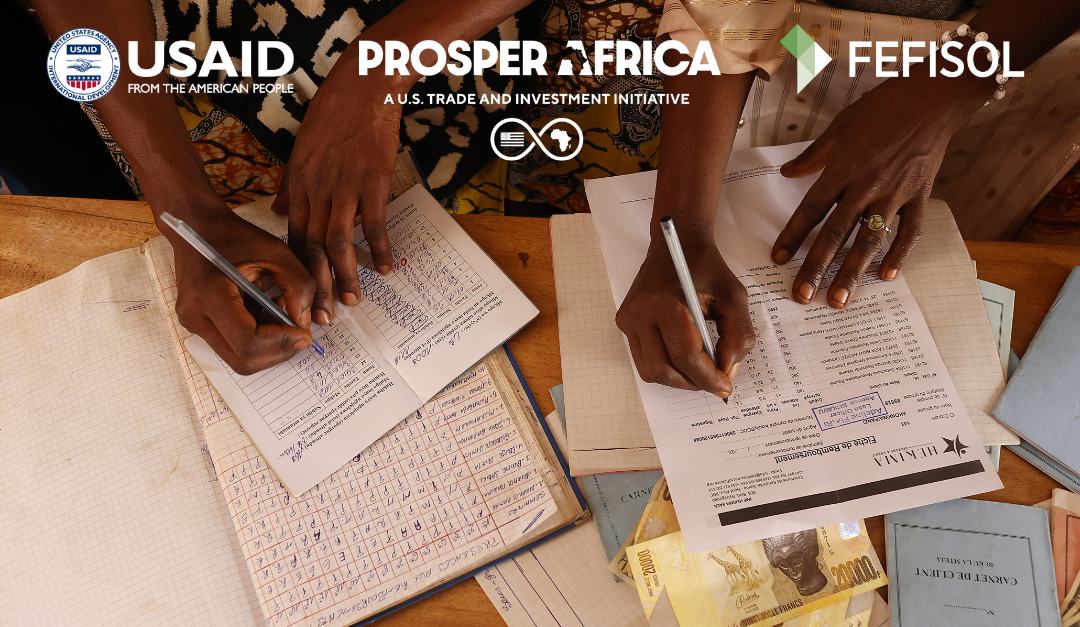
SIDI is pleased to announce that USAID – the U.S. Agency for International Development – and Prosper Africa – the U.S. government’s initiative for trade and investment with African countries – have approved a grant for FEFISOL II to help the fund mitigate the currency risk on its local currency portfolio.
FEFISOL II is the investment fund backed by SIDI and Belgian investor Alterfin. Managed by Inpulse Investment Manager, FEFISOL II is dedicated to financing African rural microfinance institutions and agricultural entities sourcing from small producers in Africa.
FEFISOL II is a high additionality fund dedicated to sub-Saharan Africa, targeting the poorest and most unequal regions, often considered too risky by traditional investors. It aims to support vulnerable populations, particularly women and those living in rural areas, by financing microfinance institutions to improve financial inclusion, reduce poverty and create jobs. The fund also supports small agricultural entities to strengthen agricultural value chains and improve food security. FEFISOL II offers flexible debt products to meet a variety of financial needs, and provides technical assistance to strengthen the organizational capacities and support the ecological and social transition of its partners.
This grant provided by USAID and Prosper Africa will enable the fund to continue developing its microfinance portfolio in Africa, and support the fundraising for the third and final closing, which will bring the fund to a size of 30 million euros. With this grant, USAID, Prosper Africa and FEFISOL II aim to improve trade, investment and the business environment on the African continent by strengthening agricultural value chains, creating rural jobs, supporting local value-added chains, reducing vulnerability to climate change and, ultimately, contributing to the continent’s sustainable development.
The contribution from USAID and Prosper Africa complements other “blending” mechanisms secured by the fund in 2023 with the US International Development Finance Corporation DFC and the Aceli Africa program. Given the amplification and overlapping of risks in Africa, it is essential to rely on such risk-sharing mechanisms for a fund dedicated to financing rural microfinance and small producer organizations.