Discover SIDI’s new 2024 Social and Environmental Report

Sidi rapport PSE 2024

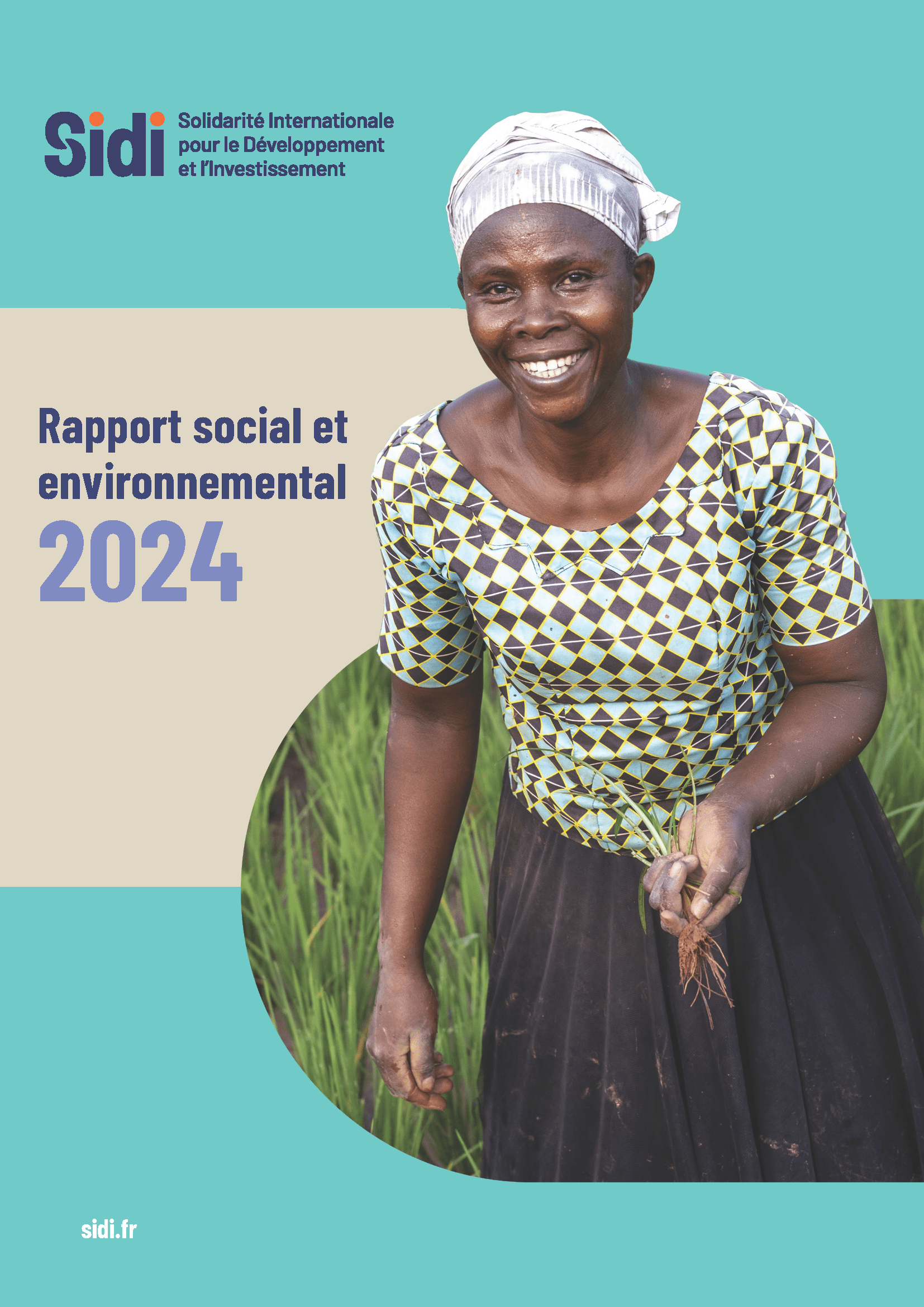
What does solidarity finance produce in concrete terms? SIDI's 2024 Social and Environmental Report answers this question in figures and stories, through the results and initiatives of our partners in over 30 countries.

SIDI’s new Social and Environmental Report provides a concrete assessment of our progress towards our three mission objectives: promoting economic equality, reducing poverty and supporting climate change mitigation and adaptation.

Beyond the figures, this report illustrates ouradditionality approach: SIDI acts where the needs are greatest, with partners who often receive little or no support from other investors. By combining adapted financing and customized support, we strengthen the social and environmental impact of our operations and provide targeted support to vulnerable populations.

Here you’ll find :

  • Precise data from our social and environmental performance management system, showing concrete results in the field;

  • Examples of support in a variety of contexts, revealing the diversity of our partnerships: SICSA (Central America), Ugafode (Uganda) or Al Majmoua (Lebanon) for example;

  • Initiatives by our partners that empower thousands of families and improve their living conditions: notably Asoprocam (Ecuador) and Financiera FDL (Nicaragua).

In 2024, SIDI invested 56 million euros with 127 partners in 33 countries, reaching over 10 million final beneficiaries.
This report highlights how we support our partners to increase their autonomy, improve their practices and strengthen their social and environmental performance .

Immerse yourself in reading our new Report!


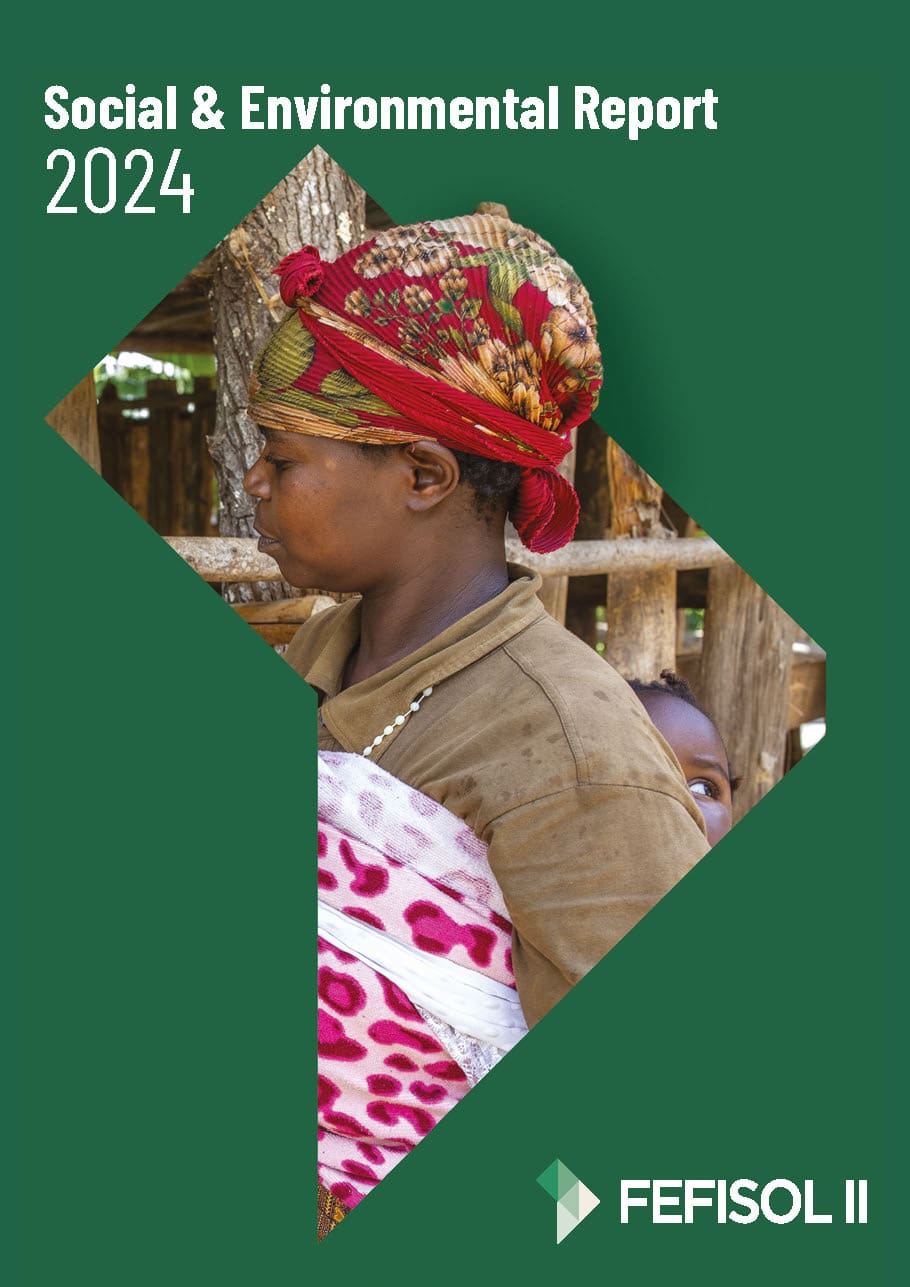
FEFISOL II’s new 2024 social and environmental report

Supporting small farmers and rural entrepreneurs in Africa: highlights of the new FEFISOL II 2024 Social and Environmental Report!

FEFISOL II is a solidarity investment fund dedicated to financing rural microfinance and small family farms in Africa. Launched in 2022 by SIDI and Alterfin, and managed by Inpulse Investment Manager, the FEFISOL II fund has financed 43 partners in 17 African countries since its inception.

In its third year of operation, FEFISOLII has continued to grow and strengthen its impact-oriented approach:
✔️ Portfolio growth of 11%, reaching 18.5 M€, of which 15.6 M€ lent to partner institutions
✔️ 14 new partners in 4 additional countries – today, 43 active partners in 17 countries, reaching 3 million people with access to finance and fairer markets
✔️ Increased support for small farmers, rural entrepreneurs and vulnerable communities, including in fragile contexts
✔️ Innovative solutions, such as European Commission – TCX Pricing Facility, enabling low-cost local currency loans
✔️ A range of financial solutions to limit risk and strengthen the fund’s ability to support its partners in difficult situations

These results would not have been possible without the ongoing support of our valued shareholders: the European Investment Bank, BIO, Proparco, BRS, Banque Alternative Suisse, SOS Faim Luxembourg, Banca Etica, Caisse des Dépôts and Crédit Coopératif.

A major milestone: in July 2025, FEFISOL II completed its third closing, bringing the size of the fund to almost €28 million, thanks to renewed commitments from BIO – Belgian Investment Company for Developing Countries and BAS – Alternative Swiss Bank.

👉 Read the full report and find out how FEFISOL II and its partners are making a real impact on the ground.


2024 Activity Report: A Year of Committed Solidarity

SIDI Activity report 2024

SIDI's 2024 activity report is now online! It retraces a year of actions in the service of local economic development actors in developing countries, for the benefit of the most vulnerable populations.

Thanks to the commitment of our partners, our solidarity-based shareholders and our entire ecosystem, SIDI is pursuing its mission: to make solidarity and patient capital a lever for the sustainable transformation of societies in order to build a more equitable and environmentally-friendly world.

A year of action for a fairer world

In 2024, SIDI continued to finance and support local economic actors – microfinance institutions, producer cooperatives, small businesses – working to improve the living conditions of populations excluded from traditional financial circuits, particularly women, young people and rural communities.

In the face of inequalities and climate challenges, our action is based on the principle of additionality:

  • intervene where others do not, i.e. where financing needs are greatest;
  • offer financing and support tailored to the specific needs of each partner.

Our efforts focus on three key objectives:

  • Promote economic equality
  • Reduce poverty
  • Supporting climate change mitigation and adaptation

A unique model of financial solidarity

At the heart of this model lies the commitment of thousands of individual shareholders who want to use the power they have with their money. Rather than a dividend, these shareholders are looking above all for social and environmental “added value” thanks to the activities of the partners financed by SIDI. They are thus part of a “chain of financial solidarity” which enables SIDI to target fragile partners and/or those operating in difficult contexts.

Highlights from the 2024 Report

This report presents the key milestones, results achieved, and challenges faced. You will discover

Key focus areas of our work

  • A double-page spread on SIDI’s commitment to Palestinian partners
  • East Africa: supporting partners on social and environmental issues
  • Sahelian zone: initial insights from our prospective study

Perspectives on our actions

  • Anne-Sélime de Murard: insights from a dedicated volunteer consultant
  • Anne-Sophie Bougouin: a strategic look at the FEFISOL II European Solidarity Fund for Africa

Partners in sustainable transitions

  • RUFI (Uganda): Social innovation for the financial inclusion of refugees
  • APODIP (Guatemala): Organic cocoa processed locally, in partnership with Ethiquable
  • Soluna Energia (Colombia): Solar energy, a driving force for local development
  • Yeyasso (Ivory Coast): A cooperative committed to more sustainable cocoa production
  • MVE (Madagascar): A responsible vanilla industry supported by a family business

We would like to extend our warmest thanks to all those who make this initiative possible: partners, shareholders, savers and volunteers. It’s thanks to you that financial solidarity comes to life, year after year.

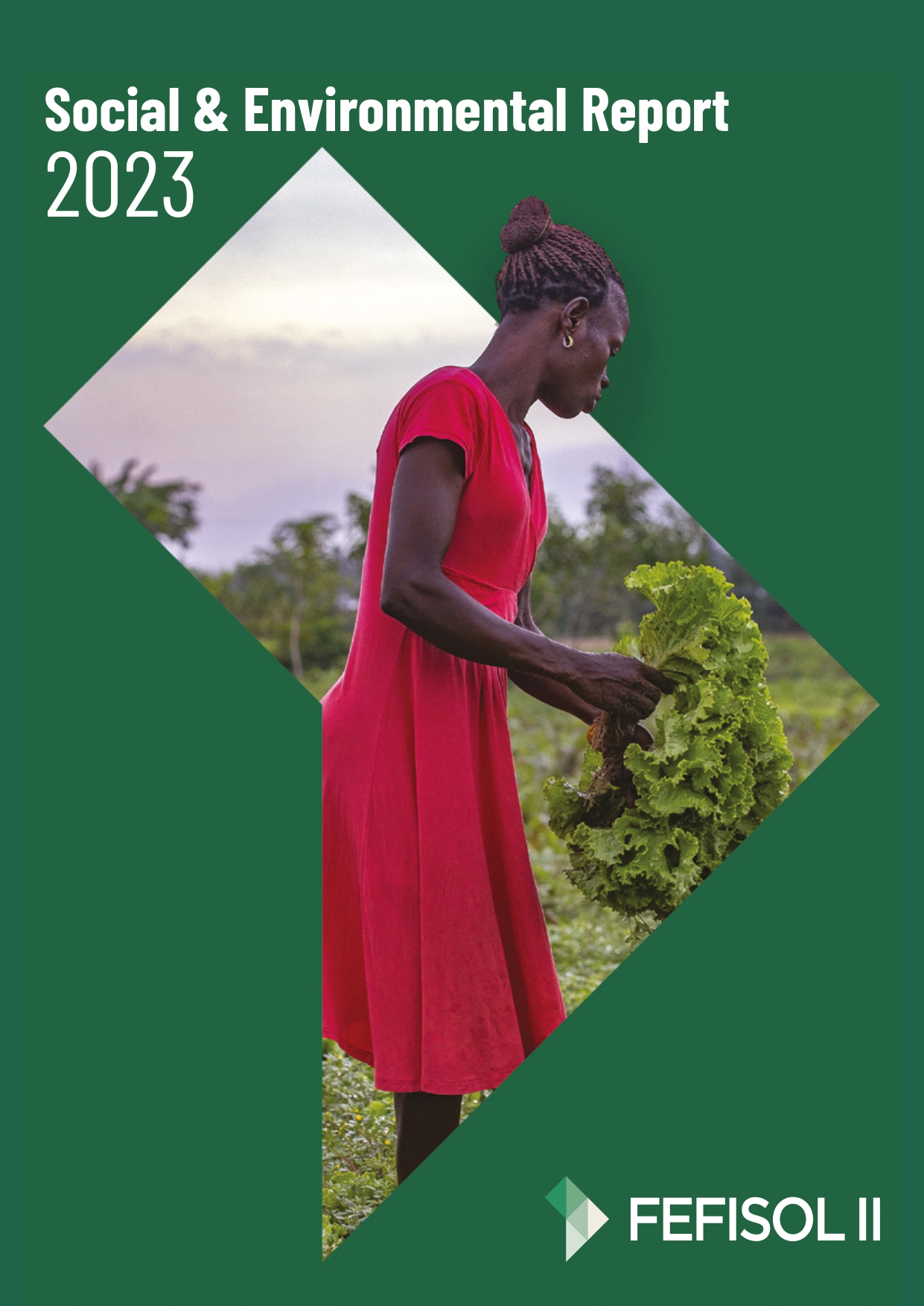
FEFISOL II’s new 2023 social and environmental report

FEFISOL II is a socially responsible investment fund dedicated to financing rural microfinance and small-scale family farming in Africa.

Launched in 2022 by SIDI and Alterfin, and managed by Inpulse Investment Manager, the FEFISOL II fund has financed 40 partners in 16 African countries to the tune of €33 million since its inception.

The SIDI,Alterfin andInpulse teams are proud to present the results of FEFISOL II’s second year of activity, which are once again in line with the fund’s strong social and environmental mission:

  • 100% focus on Africa and fragile countries, with a strong presence in rural areas
  • More than 2 million final beneficiaries, 61% of whom are women
  • Support tailored to the needs of partners in the field, with projects focused on social and environmental performance
  • Partner organizations committed to the financial inclusion of the poorest, the creation of local added value and the promotion of sustainable agriculture.

Immerse yourself in the details of the fund’s activity in 2023, as well as its partners’ results, and discover inspiring testimonials from the field in this new social and environmental report.

Replay the webinar presenting SIDI’s 2023 social and environmental report

Couverture Rapport social et environnemental 2023

Watch the video of our webinar on our Youtube channel

The result of in-depth analysis by SIDI’s Social and Environmental Performance (SEP) team, the report presents the results of SIDI’s partners, their progress and their room for improvement in each of our major strategic areas: the reduction of economic inequalities, poverty reduction, adaptation and mitigation of climate change.

The quest foradditionality is the strategic compass for SIDI’s activities. To measure the impact of its activities, SIDI has for many years developed a highly effective system for measuring PES through the monitoring of precise indicators. The social and environmental report gives an account of this every year.

This webinar is an opportunity to deepen your understanding of SIDI’s mission and learn more about its partners, their achievements and the impact of their activities on the most vulnerable populations.

On the program:

➡️ Additionality at the heart of SIDI’s impact strategy

➡️ The results of SIDI’s partners in terms of:
– reduction of economic inequalities
– reduction of poverty
– adaptation to climate change

➡️ Focus on an impact study carried out with our partner Abakundakawa, a coffee cooperative in Rwanda

➡️ Question-and-answer session

With :

Joan Penche, Director of Partnerships and Operations
Jon Sallé, PSE Manager
Ariane Bévierre, PSE Officer

🔗 To see the webinar again: click here

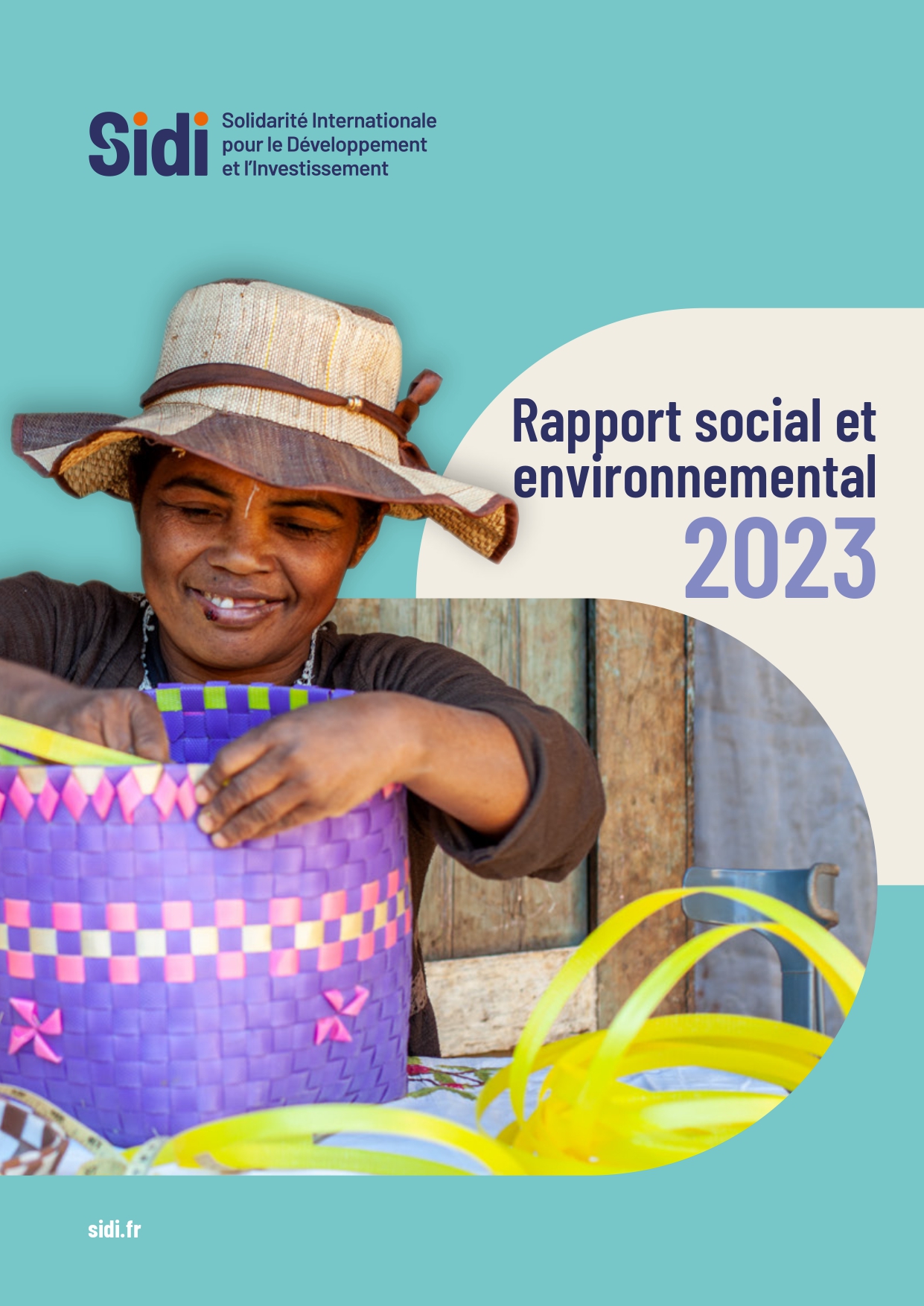
Discover SIDI’s 2023 social and environmental report

Couverture Rapport social et environnemental 2023

Every year, SIDI publishes its social and environmental report, which describes the impact of SIDI's activities and those of its partners.

In 2023, SIDI celebrated 40 years of commitment to solidarity finance and the ecological and social transition. Throughout the year, the organization pursued its mission to support local economic players in the world’s most vulnerable regions, maximizing its social and environmental impact through an approach focused on additionality and support for diversified partners.

Additionality at the heart of impact strategy

Thanks to its solidarity-based resources, SIDI has confirmed its additionality compared with traditional investors, by continuing to support its partners in difficult country contexts and in remote regions poorly served by the banking system. The diversity of its financial products and the wide range of support it offers have been crucial in adapting to the needs of each partner and the realities on the ground. The year 2023 was also marked by the development of crucial new partnerships, such as the one with Ethiquable, which will forge SIDI’s added value in the future.

Promoting economic equality

The year was marked by significant results at partner level, illustrating the concrete effects of SIDI’s strategies in the territories where it operates. SIDI’s first objective, to promote economic equality, has enabled us to support organizations that create formal, stable jobs, particularly in rural areas where access to financing and markets remains a major challenge. Agricultural cooperatives and local businesses have played a crucial role in improving food security, and offering local processing opportunities, adding value to agricultural produce.

Promoting poverty reduction

In terms of poverty reduction, SIDI has reinforced its actions in favour of the financial inclusion of the poorest populations. By collaborating with MFIs targeting vulnerable populations, SIDI has facilitated access to adapted financial services, such as microcredit and savings products, which are essential for improving the living conditions and economic empowerment of women and people living in rural areas. By 2023, the number of final beneficiaries had reached 10 million, 52% of whom were women and 42% of whom lived in rural areas, testifying to the impact of these initiatives.

Supporting mitigation and adaptation to climate change

At the same time, SIDI continued to support climate change mitigation and adaptation, a key pillar of its development strategy. Efforts to develop green finance have been stepped up, notably by financing renewable energy projects and supporting partners in implementing sustainable agricultural practices. These initiatives aim to contribute not only to reducing our partners’ greenhouse gas emissions, but also to increasing community resilience to the impacts of climate change.

All in all, SIDI’s results for the year 2023 demonstrate a strong commitment and a constant capacity to adapt to the challenges of sustainable development. As SIDI enters its fifth decade, it remains determined to pursue this mission with the same passion and dedication, always seeking to maximize its social and environmental impact by combining financial support and technical assistance, to build a more equitable and sustainable world.

Gain a better understanding of how Abakundakawa, a Rwandan coffee cooperative, is helping to change the lives of its members.

Productrice de café de la coopérative abakundakawa

SIDI contributes to the Farmer Thriving Index to assess the impact of cooperatives on small-scale coffee producers in Rwanda. The study reveals the positive effects of the Abakundakawa cooperative on the living conditions and agricultural practices of its members.

The Farmer Thriving Index, a new initiative designed to better assess changes in the lives of small-scale farmers.

The Farmer Thriving Index (FTI) was created by 60Decibels, a company specializing in social impact measurement. The FTI is an assessment designed to better understand the changes brought about by cooperatives for their members, as perceived by small-scale agricultural producers themselves. It takes into account several dimensions of economic, social and environmental well-being, providing an overall assessment of their quality of life and the sustainability of their activities.

In East Africa, the FTI has focused specifically on small-scale coffee growers. A control group of 1,026 small-scale producers not affiliated to any cooperative or agricultural enterprise was interviewed. Their situations and responses are then compared with those of cooperative coffee growers.

SIDI contributed to this study by co-financing, with our partner Aceli Africa and the ACTES foundation, an assessment of the situation of small-scale coffee producers who are members of Abakundakawa, a cooperative located in the north of Rwanda in the poor regions of Rushashi and Minazi. In all, 282 Abakundakawa suppliers were interviewed to better understand their situation and the effects of cooperative membership on their lives.

Abakundakawa, a Rwandan cooperative supported for over ten years by SIDI

Abakundakawa is a producer organization created in 1999 on the initiative of 367 Rwandan coffee growers, with the aim of enhancing the value of their production. From the outset, the organization has been dedicated to purchasing and processing Arabica coffee cherries into high-quality green coffee for international marketing.

Over the past 25 years, Abakundakawa has gone from strength to strength, and today boasts over 2,100 active members, 44% of whom are women, 23 permanent employees and 175 seasonal workers. It exports around 19 containers of coffee every year. Abakundakawa’s activities have a strong social mission. Indeed, improving the standard of living of its members is at the heart of the cooperative’s activity. To meet this objective, it charges purchase prices higher than the minimum price set by the government. In particular, the organization has been Fair Trade certified since 2005, and has thus been able to increase its impact on local social development through projects to supply water, improve agricultural access, pay for mutual health insurance schemes, and so on.

The study describes producers whose living conditions are particularly fragile

Two-thirds of the producers who responded to the survey are men, owners of their own land, with an average age of 48. The families are large and poorly educated; for 37%, elementary school is the highest level of education in the family. On average, they own 2.7 hectares of land, 44% of which is devoted to growing Arabica for export, the rest to peas, corn and bananas.For half of those interviewed, coffee production is their main source of income. An assessment of their behavior shows that 60% of respondents have incomes below the “Living Income Reference Value”, an estimate of the minimum amount needed to live decently in the region. However, almost all the farmers interviewed want to continue producing coffee, and hope that their children will too.

What Abakundakawa brings to its producers

The cooperative strives to build member loyalty through regular training by agronomists and field agents: 71% are in regular contact with these agents, whom they meet three times a year on average. What’s more, the interviewees’ farming practices are generally more virtuous than those of the control group, with all of them implementing good farming practices and two-thirds practicing agroforestry. Abakundakawa facilitates access to suitable tools (hoe, saw, pruning shears) and cows to promote natural fertilization of plots. It also carries out specific actions in favor of young people and women, and offers a savings service. Thanks to the latter, 53% of respondents say they save every month, compared with only 25% of producers in the control group.

These actions are the main drivers behind the very high level of supplier satisfaction with the cooperative, which scores highly on the Net Promoter Score, an indicator that compares the number of promoters of an organization (i.e. the number of people who would recommend the organization to their friends and family) with the number of detractors (people who would not recommend the organization to their friends and family). Abakundakawa achieves a very high score (NPS of 51), a testament to the strong satisfaction and loyalty of its members.

These testify in particular:

“They teach us how to make coffee, compost, mulch, prune, weed and renovate the field. All these things that the cooperative teaches us are very important for a coffee grower, because they enable him to improve his growing methods in a professional way. I think it’s something unique that our cooperative has that can benefit all coffee growers.”
Woman, aged 61

“I like the way they value their members and offer training so we can improve the quantity and quality of our produce. They also offer premiums and provide cows for breeding so we can get manure easily.”
Woman, 62 years old

As in the majority of satisfaction surveys linked to the provision of services, the only subject of dissatisfaction remains the price paid, in this case for coffee. 62% of respondents were dissatisfied with the prices paid by Abakundakawa. However, 62% also claim to have made a profit on the last harvest, and half of them have noticed an improvement on last year in terms of income received. In fact, Abakundakawa pays a higher price than the market price, and the premiums from organic and fair trade certification also enable the payment of a bonus at the end of the campaign.

Aware of the crucial contribution made by the cooperative, 80% of those questioned plan to continue investing and developing their coffee production. It’s a safe bet that they will continue to supply Abakundakawa with top-quality fair-trade coffee for a long time to come.
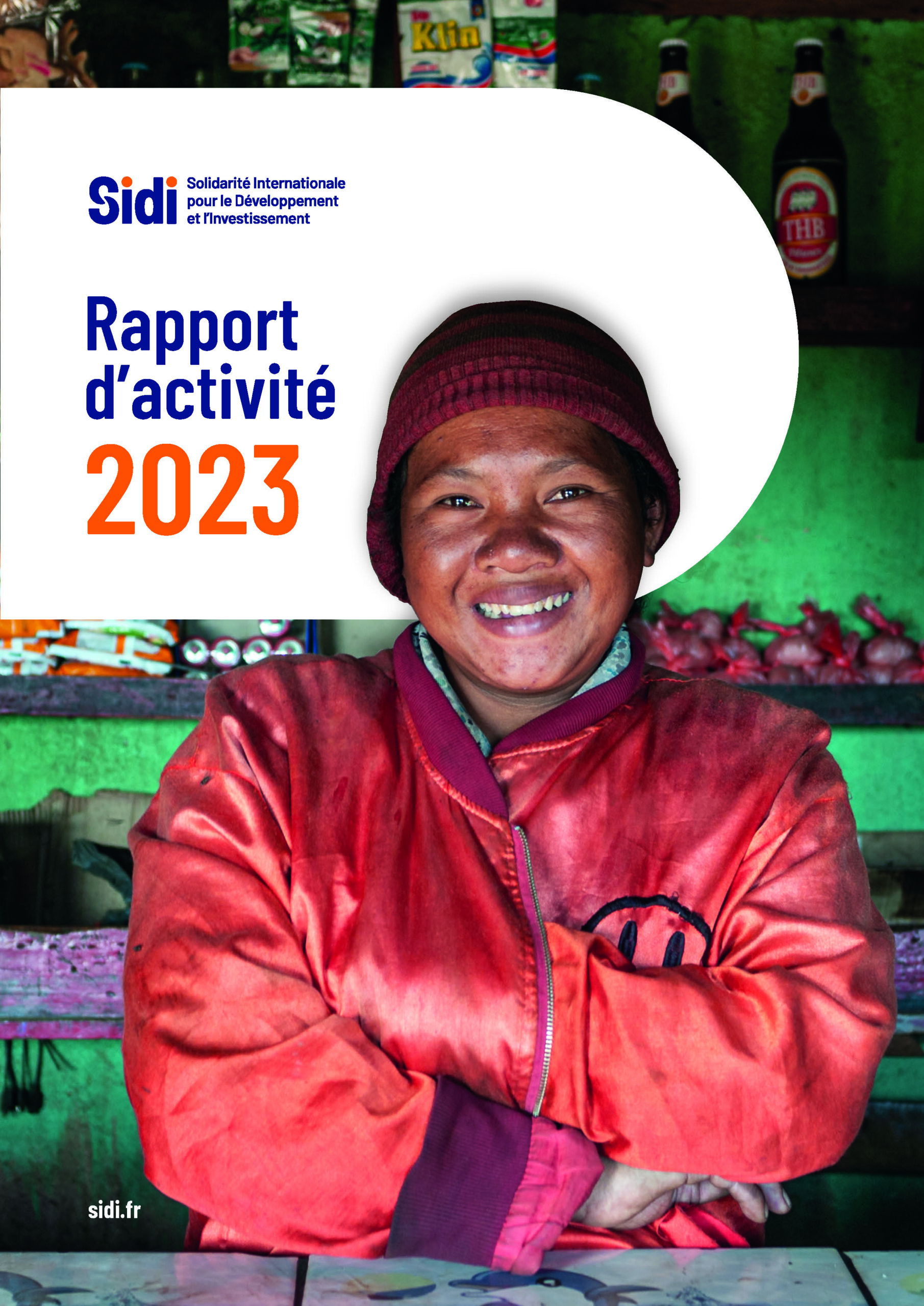
SIDI’s 2023 activity report is online

Couv RA SIDI 2023 fr

2023 was a very special year for SIDI: we celebrated 40 years of existence.

  • 40 years of SIDI putting finance at the service of local economic development players in developing countries
  • SIDI has been financing and supporting local economic players for 40 years, working to improve the living conditions of vulnerable populations and promote virtuous ecological practices.
  • 40 years of an innovative intervention model based on the principle of a chain of financial solidarity, linking citizens who want to give meaning to their savings, to partner organizations and their beneficiaries.

Despite the combination of multi-factorial crises, SIDI manages to carry out its mission by placing additionality at the heart of its impact strategy, and by working on three major mission objectives:

  • Promoting economic equality
  • Promoting poverty reduction
  • Supporting the fight against climate change

Let’s continue to invest in a just transition.

Excellent news for the FEFISOL II fund

SIDI is pleased to announce that USAID – the U.S. Agency for International Development – and Prosper Africa – the U.S. government’s initiative for trade and investment with African countries – have approved a grant for FEFISOL II to help the fund mitigate the currency risk on its local currency portfolio.

FEFISOL II is the investment fund backed by SIDI and Belgian investor Alterfin. Managed by Inpulse Investment Manager, FEFISOL II is dedicated to financing African rural microfinance institutions and agricultural entities sourcing from small producers in Africa.

FEFISOL II is a high additionality fund dedicated to sub-Saharan Africa, targeting the poorest and most unequal regions, often considered too risky by traditional investors. It aims to support vulnerable populations, particularly women and those living in rural areas, by financing microfinance institutions to improve financial inclusion, reduce poverty and create jobs. The fund also supports small agricultural entities to strengthen agricultural value chains and improve food security. FEFISOL II offers flexible debt products to meet a variety of financial needs, and provides technical assistance to strengthen the organizational capacities and support the ecological and social transition of its partners.

This grant provided by USAID and Prosper Africa will enable the fund to continue developing its microfinance portfolio in Africa, and support the fundraising for the third and final closing, which will bring the fund to a size of 30 million euros. With this grant, USAID, Prosper Africa and FEFISOL II aim to improve trade, investment and the business environment on the African continent by strengthening agricultural value chains, creating rural jobs, supporting local value-added chains, reducing vulnerability to climate change and, ultimately, contributing to the continent’s sustainable development.

The contribution from USAID and Prosper Africa complements other “blending” mechanisms secured by the fund in 2023 with the US International Development Finance Corporation DFC and the Aceli Africa program. Given the amplification and overlapping of risks in Africa, it is essential to rely on such risk-sharing mechanisms for a fund dedicated to financing rural microfinance and small producer organizations.