 Back to the news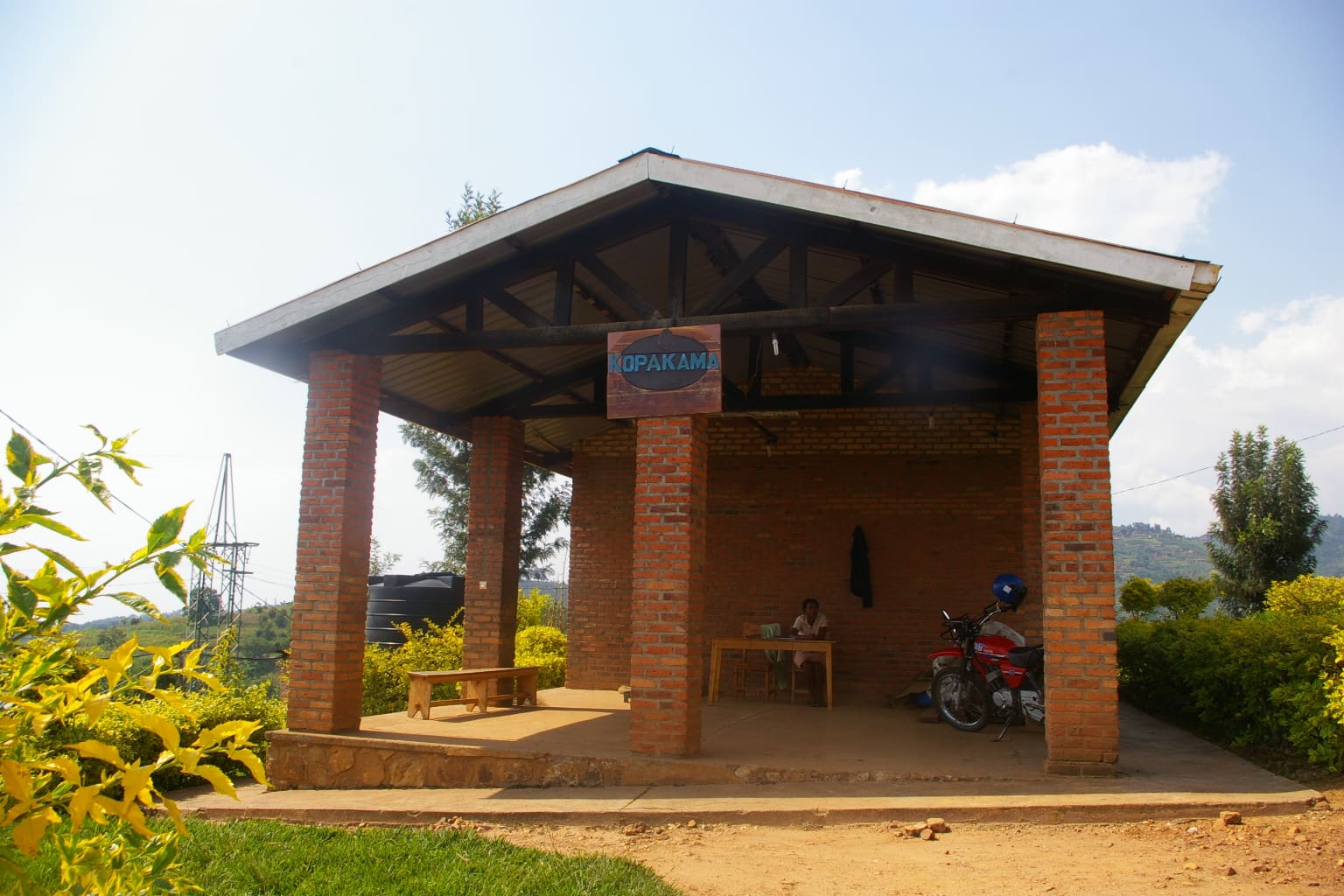
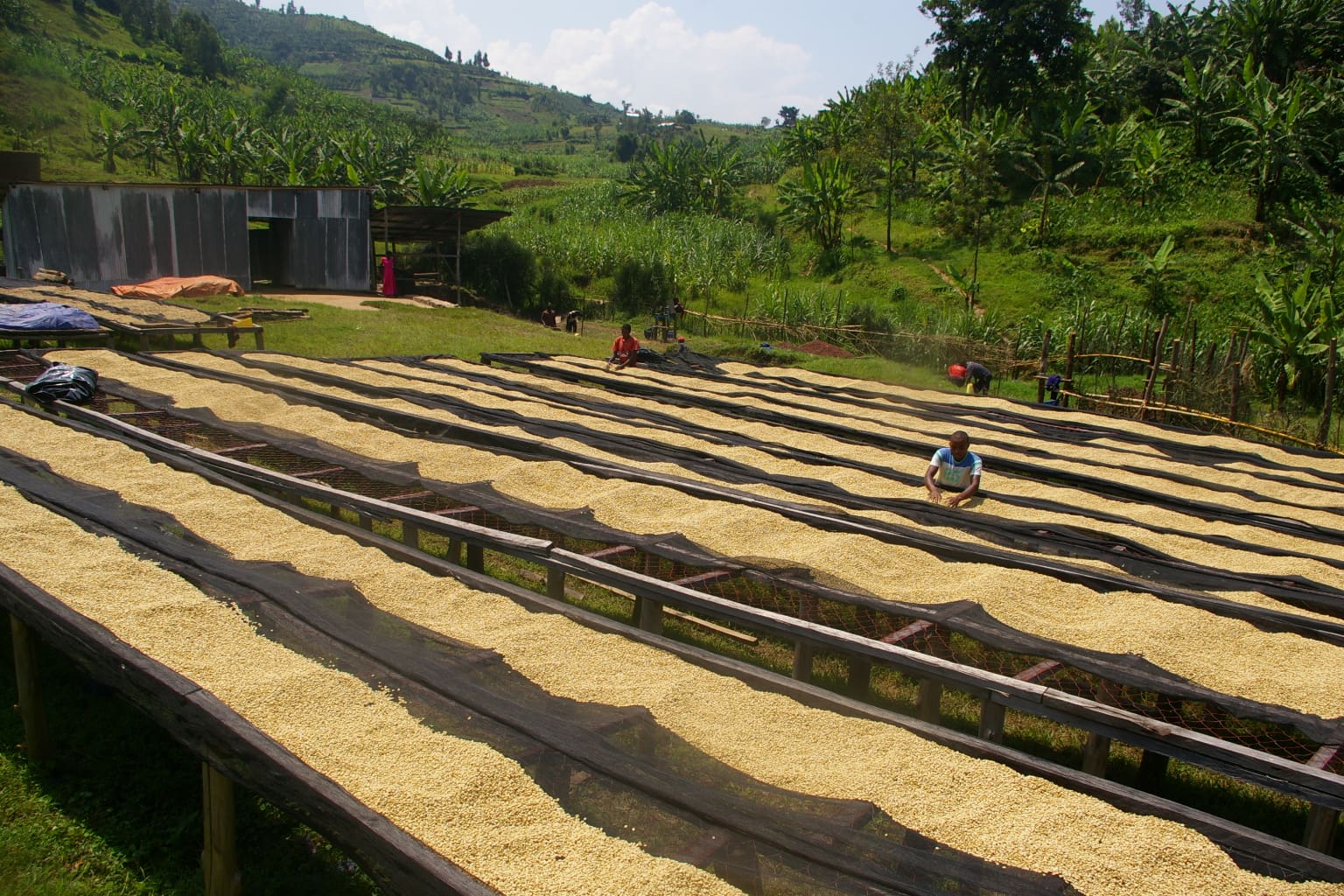
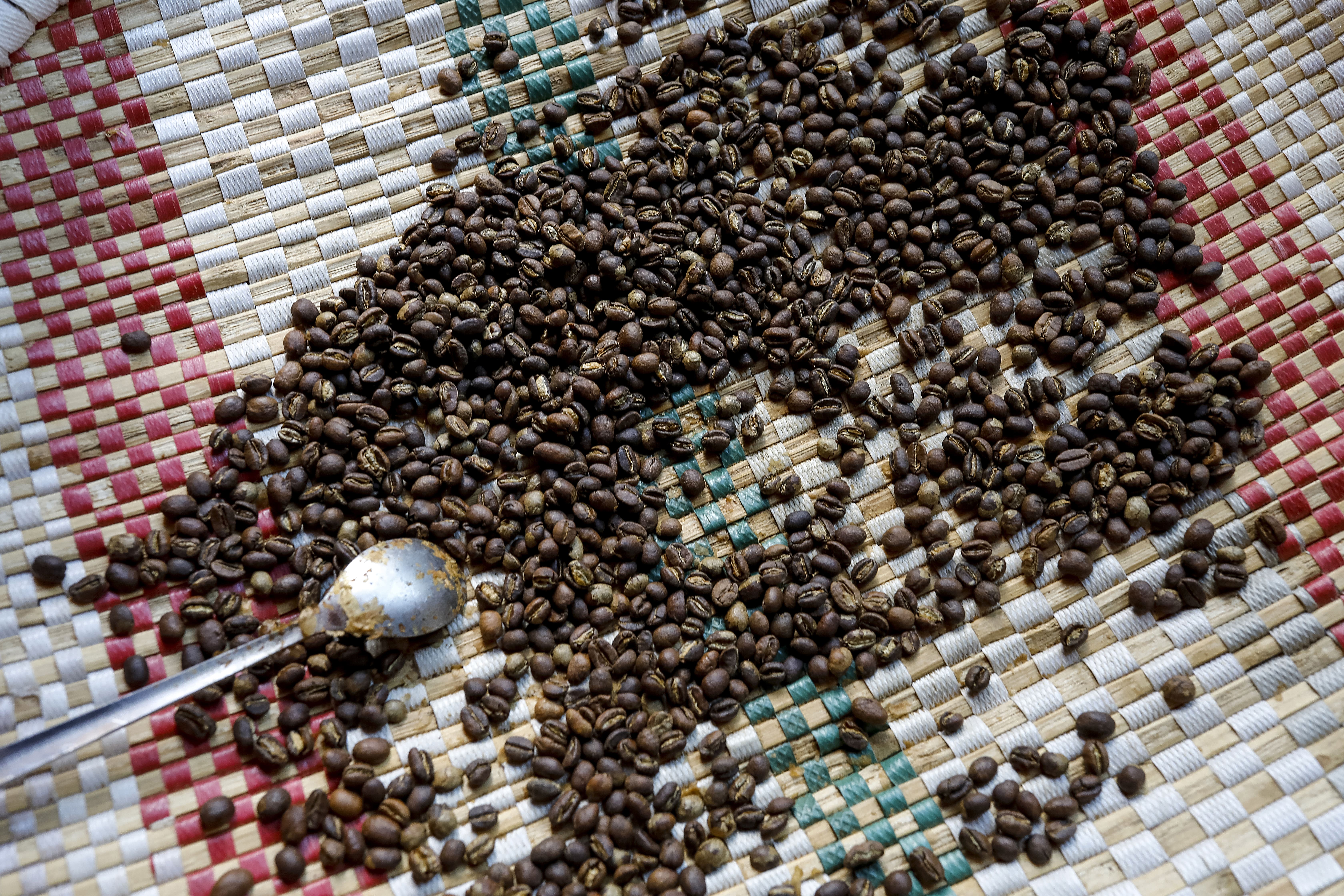
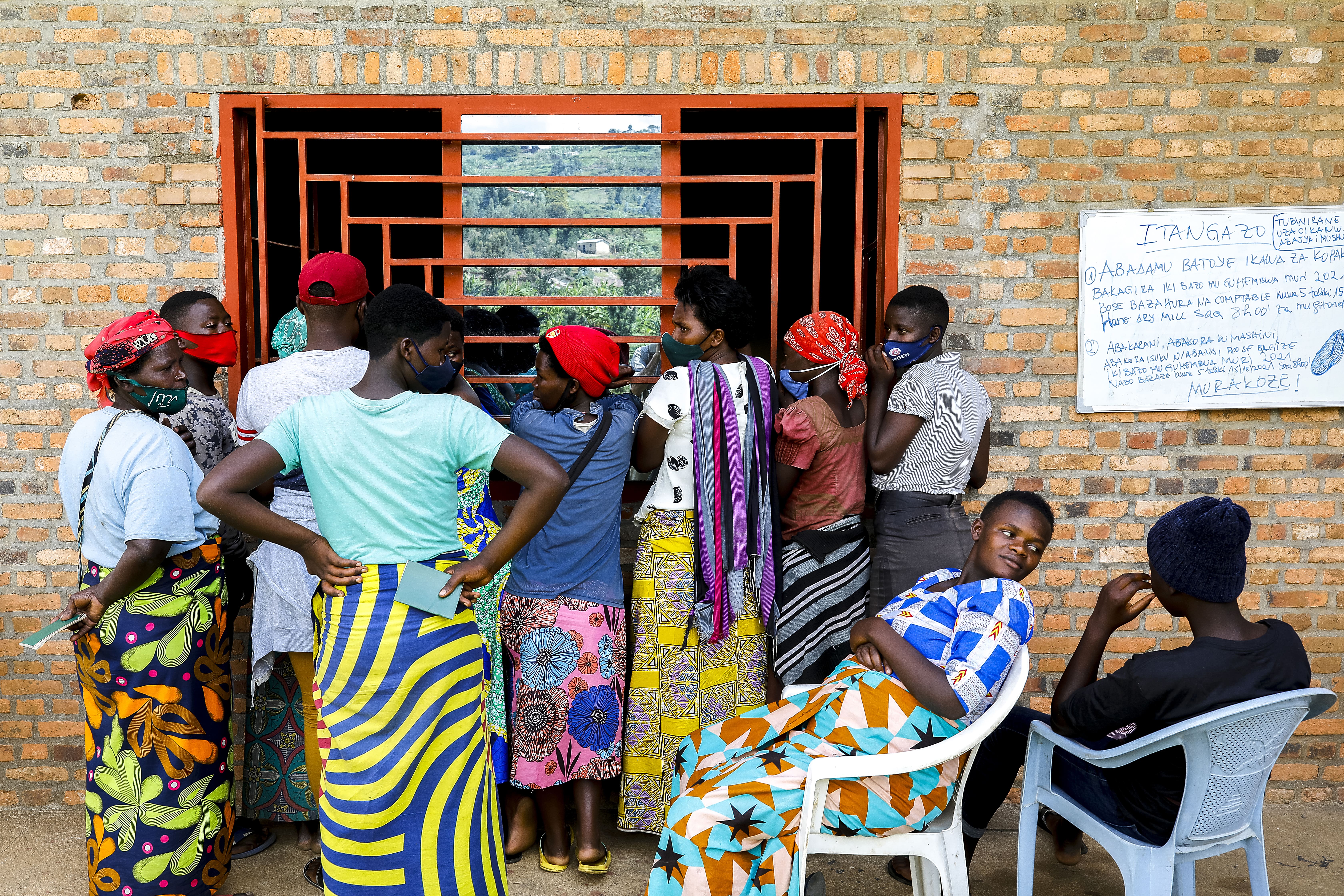
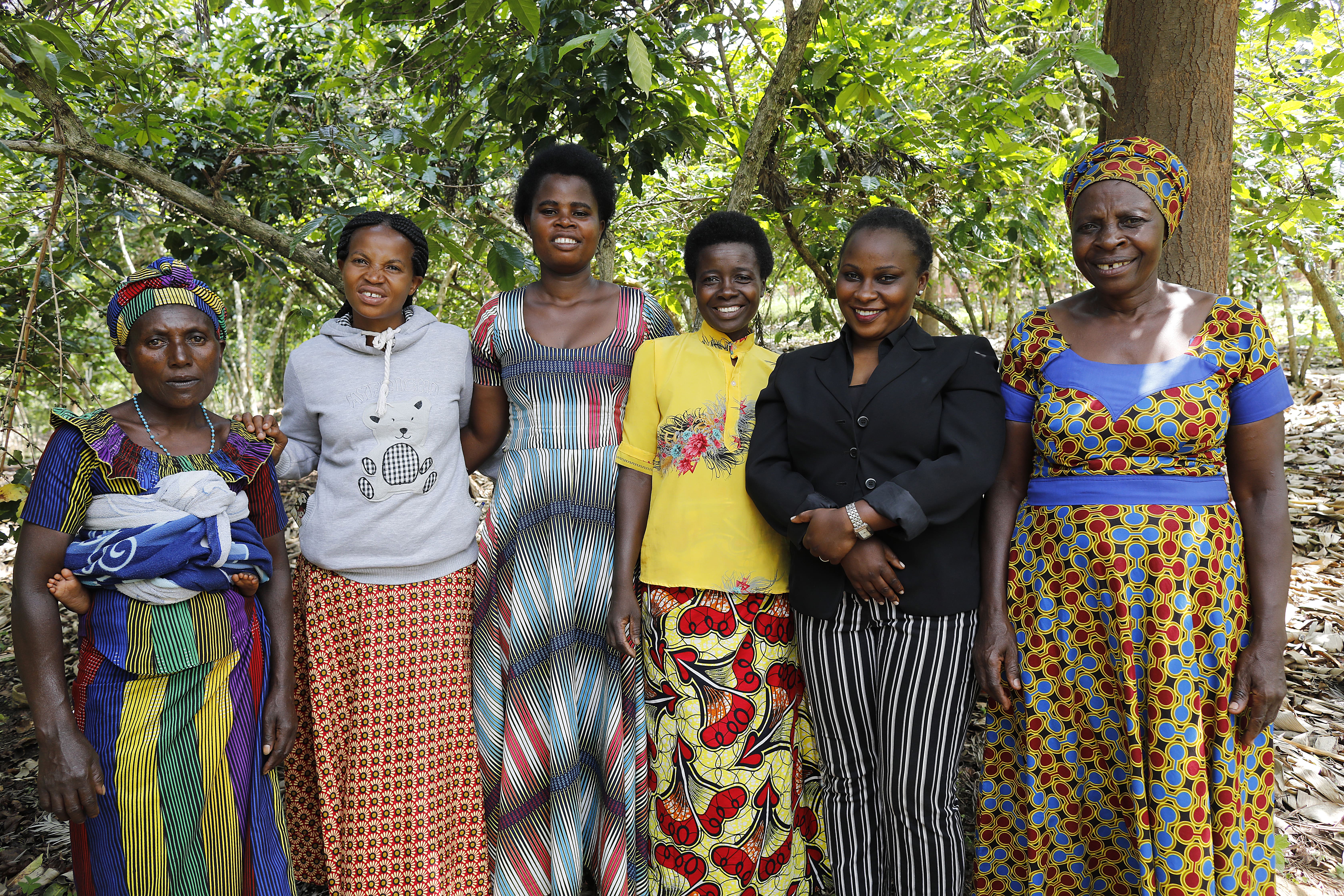


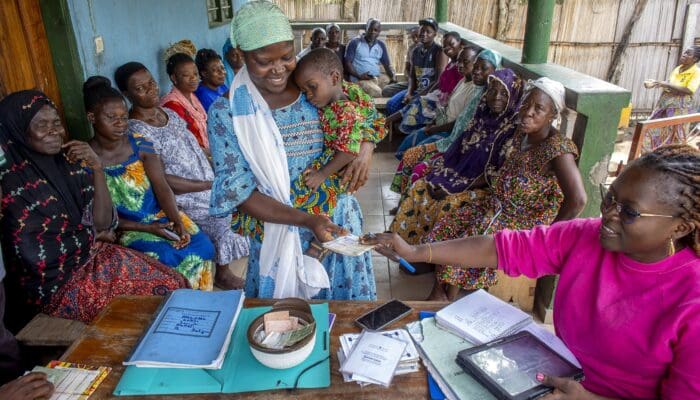
Founded in 1998, the Kopakama cooperative now has 1,077 members in western Rwanda, more than 40% of whom are women. These small Arabica coffee producers grow high-quality coffee that has been certified fair trade (since 2006) and organic (since 2018) and is exported directly after being washed and hulled at the cooperative’s facilities.
Rwanda is a relatively politically stable country with one of the highest population densities in the world (over 500 inhabitants per square kilometre) and continued significant population growth (2.3% per year), but it is not among the countries most at risk from climate change according to the Germanwatch ranking. The country has a corruption perception index (Transparency International) that is better than the regional average (ranked 52nd out of 180), as well as a stricter environmental policy than its neighbours (land use, water and waste management).
The lack of change at the top of the state, continuing high levels of inequality, and the country’s consistently low HDI (165th out of 189 countries) represent the most significant risk factors or limitations.
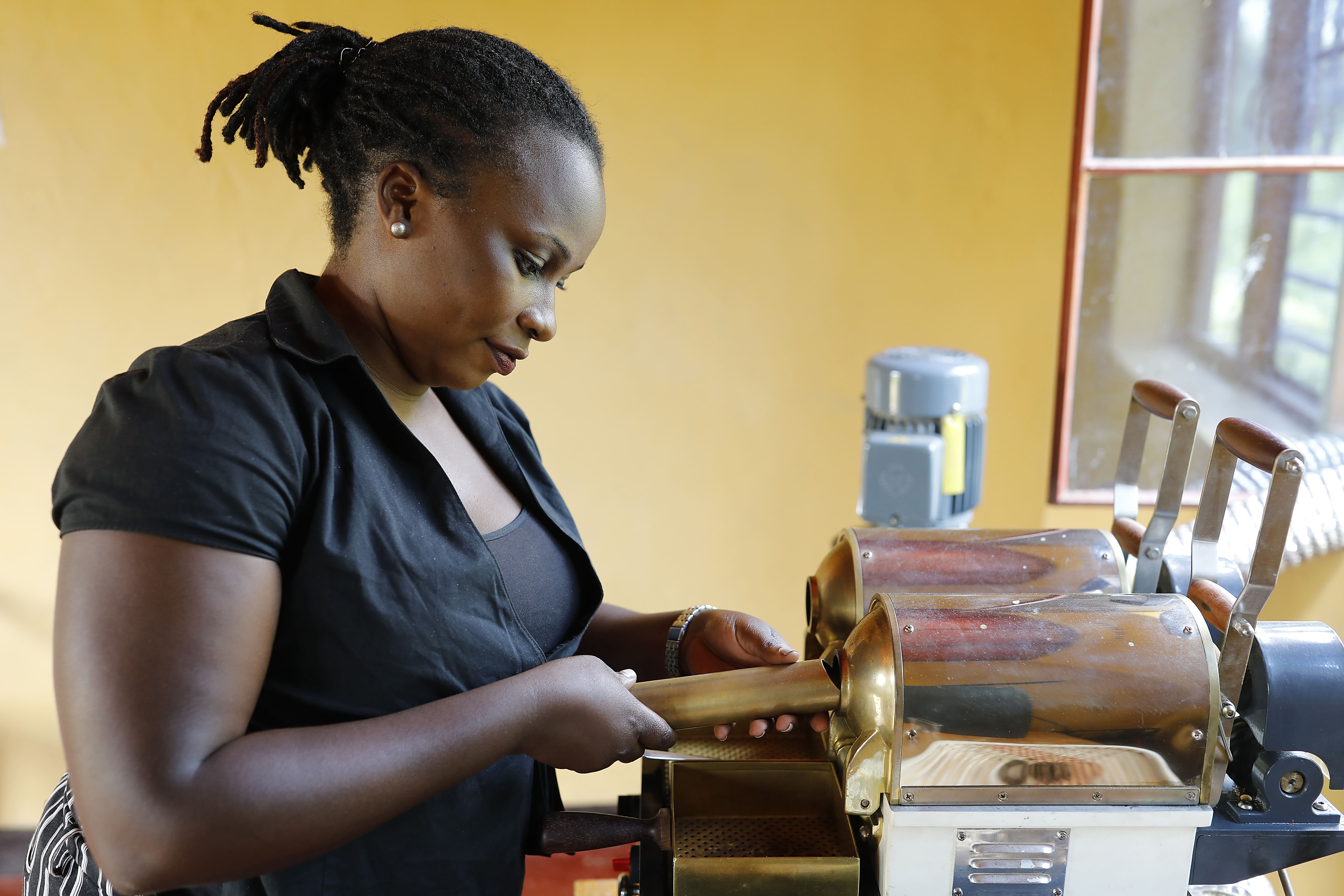
Kopakama’s certifications and quality facilities promote access to the international market and better prices, as well as improved operational efficiency, which allows for better remuneration for producers. Producers also benefit from free training and monitoring services, as well as nurseries and assistance from the cooperative. Specific actions help promote the inclusion of women (coffee sold specifically as women’s coffee). Kopakama’s activity also creates jobs in the Karongi sector: 31 permanent employees and around 200 seasonal workers in 2022.