 Back to the news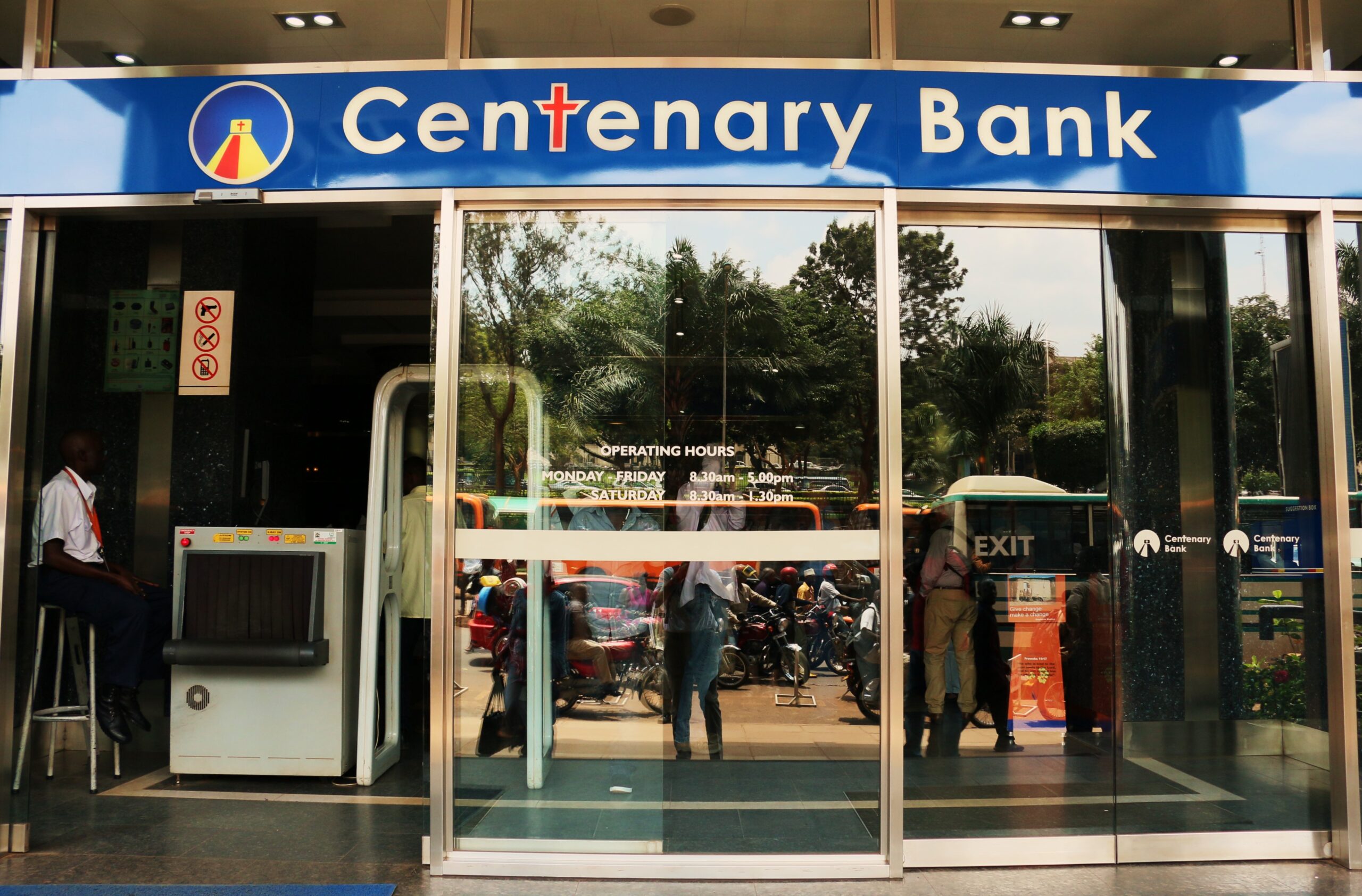
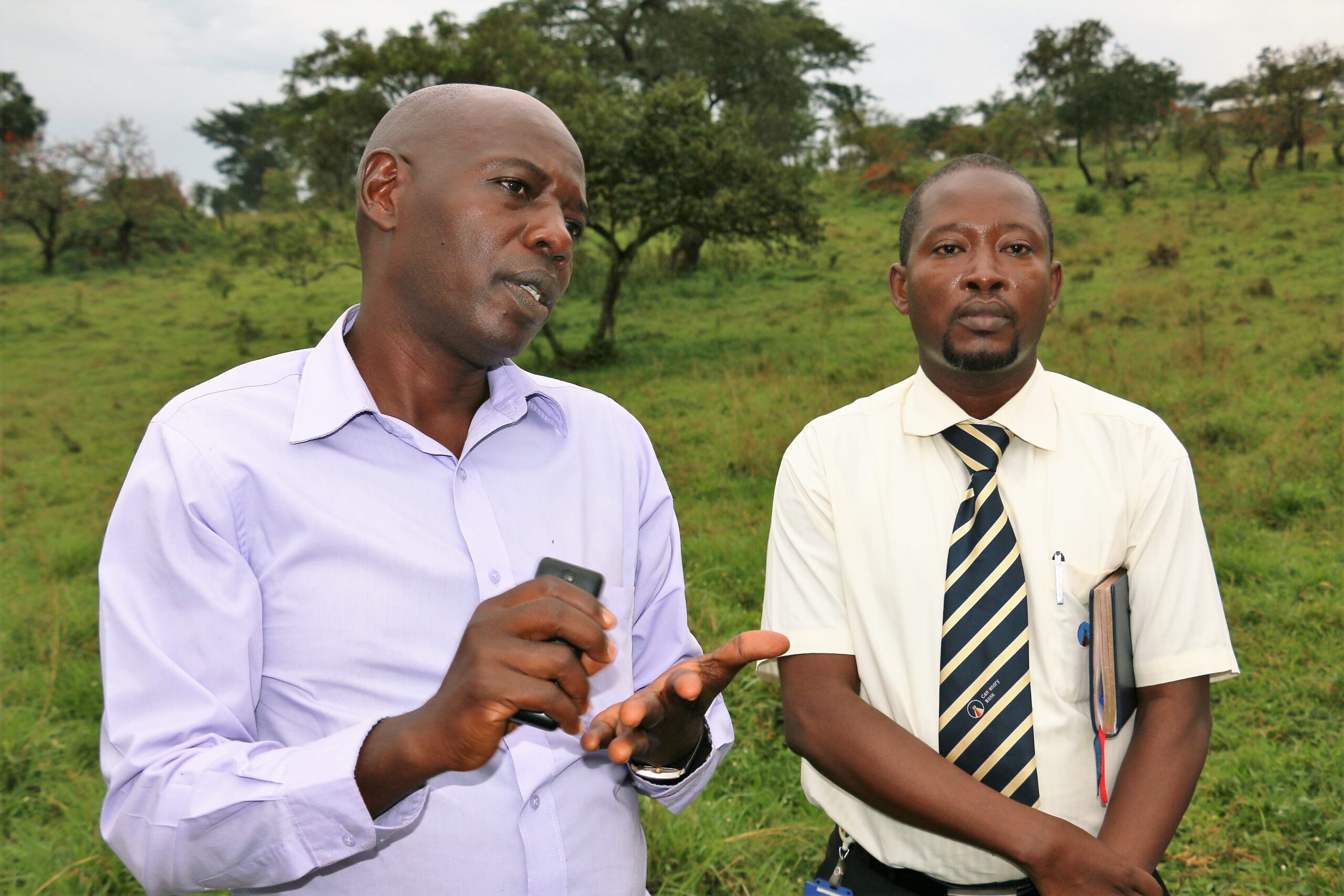
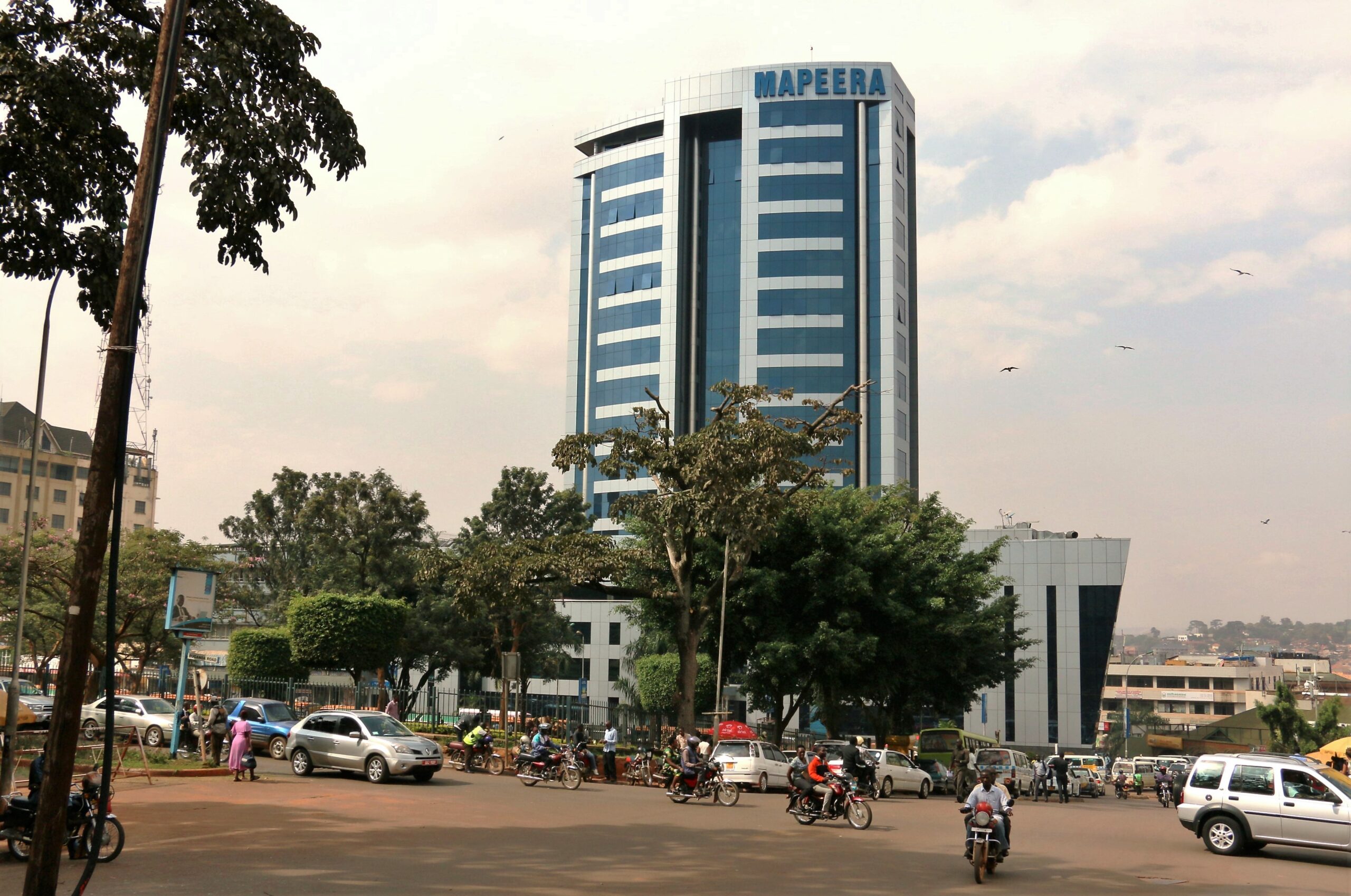
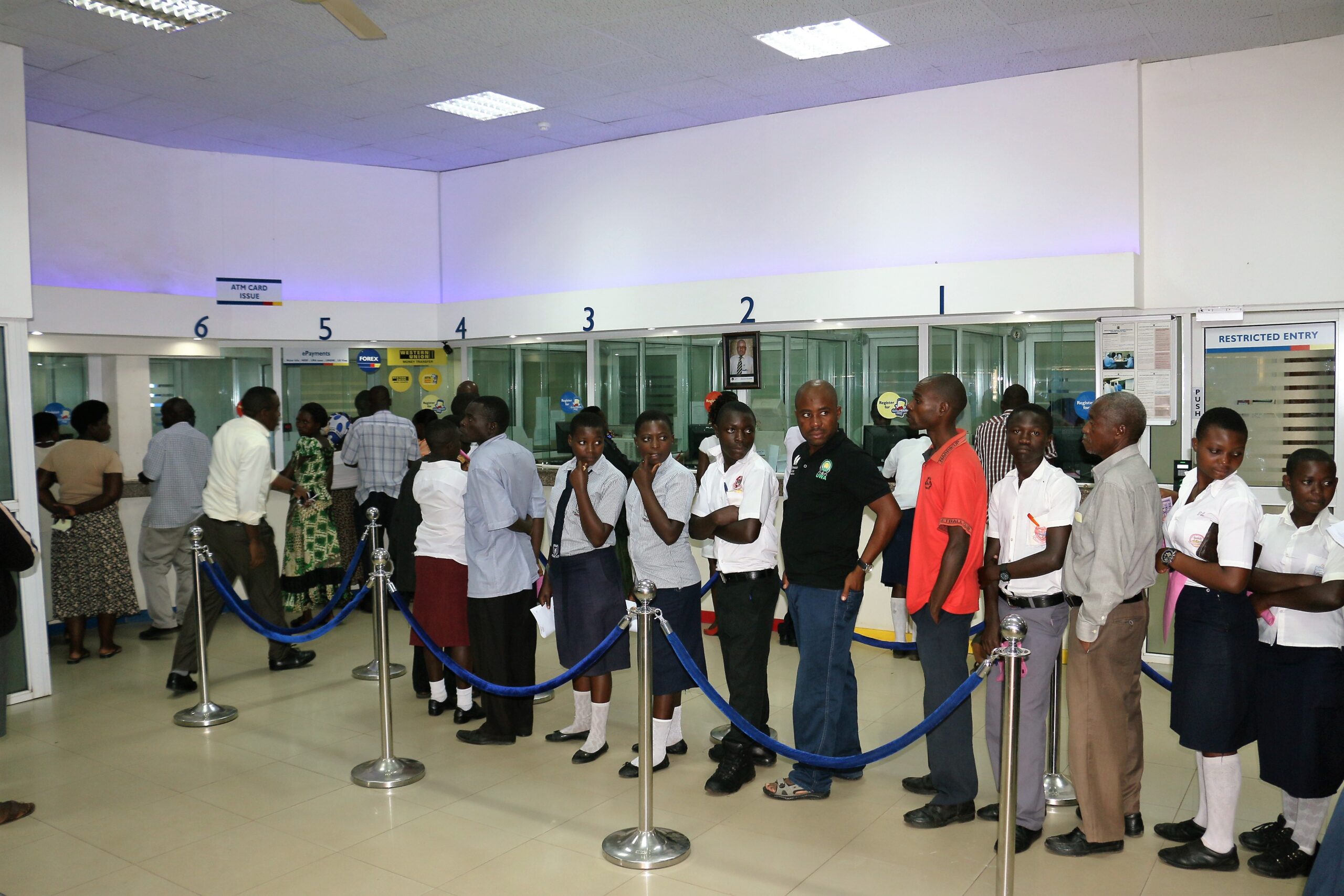




A true success story, Centenary Bank has been the country’s second-largest commercial bank since 2018. Having become a subsidiary of the Centenary Group in 2019, controlled by the Ugandan Catholic episcopate, it has gradually developed a fairly comprehensive commercial offering while remaining the country’s leading microfinance institution. It offers its services via 81 branches, 3,000 employees and a network of more than 6,000 agents with a wide geographical coverage (half of the branches are located in rural areas). SIDI was a founding shareholder of Centenary Bank in 1993, and of Centenary Group in 2019.
Uganda is a relatively politically stable country, with a large and varied agricultural potential and a predominantly young population, and is not one of the countries most at risk from climate change according to the Germanwatch ranking. The lack of political alternation, inequalities resulting from corruption (ranked 146th/180th by Transparency International for perceptions of corruption) and economic policy (little infrastructure, public services or redistribution), weak industrialisation, lack of environmental policy and FATF grey list status are the most important risk or limiting factors for this country, ranked 166th out of 189 countries for HDI.
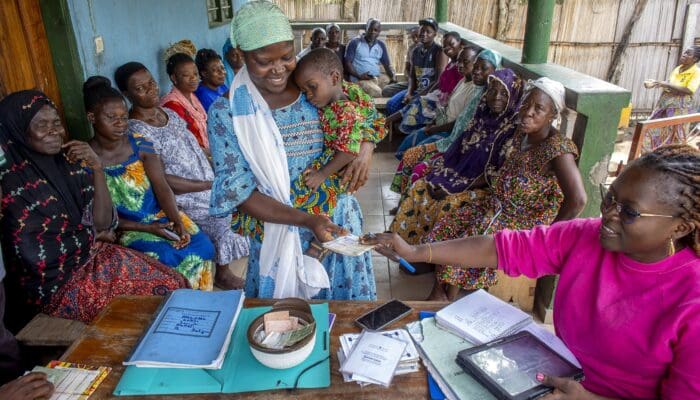
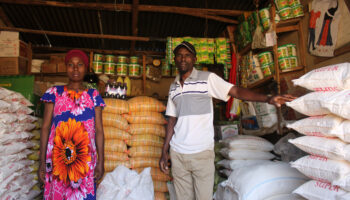
As the country’s leading MFI, Centenary Bank offers its services to around 2 million savers and 300,000 active borrowers, 60% of whom are micro-entrepreneurs, as well as a large number of SMEs. Centenary Bank has a strong brand image (it is the only commercial bank that is majority-owned by Ugandans – the slogan is “our bank”) and a large volume of savings (enough to finance its lending activity). It is also technically efficient (it is the No. 1 bank for mobile banking services) and socially responsible (the management of its service offering is in line with its social mission), and is making progress in terms of taking environmental issues into account (exclusion from certain sectors, attention to sustainability in the agricultural sector, financing of renewable energy, etc.).