Staying the course despite the conflict: Al Majmoua’s testimony at the SIDI General Assembly

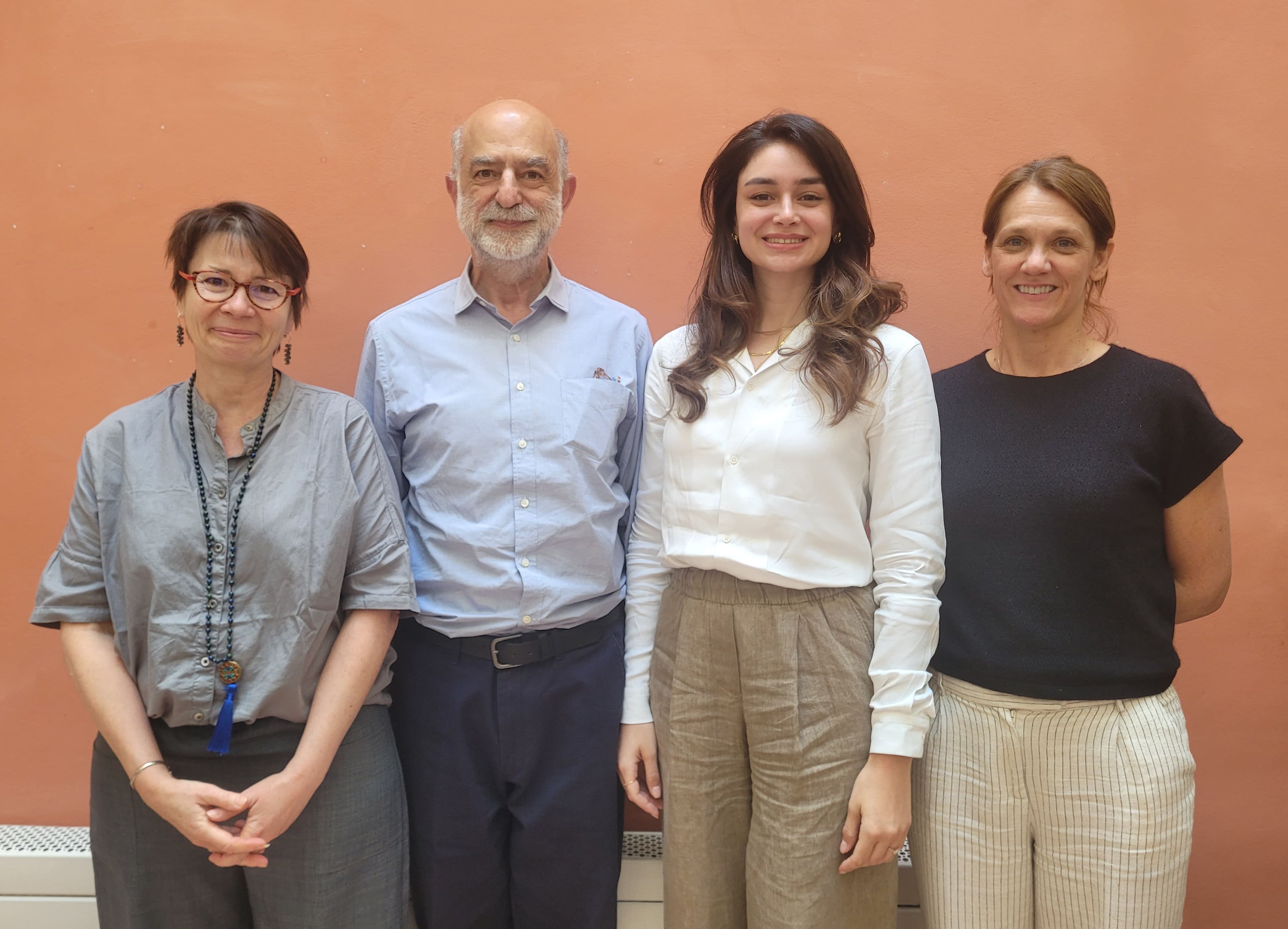
How can a microfinance institution continue its operations when its economic environment is collapsing and the country is at war? At the SIDI General Assembly in June,Al Majmoua’s Executive Director, Youssef Fawaz, reflected on his organization’s journey amid the deep crisis Lebanon has been facing since 2019.

His account sheds light on the very real challenges of keeping a financial institution operational in a country facing a severe economic crisis, the COVID-19 pandemic, and recurring armed conflict. It also illustrates the choices that must be made to continue serving the public.

Al Majmoua: An Institution Dedicated to Helping the Vulnerable

Founded in 1994 by the NGO Save the Children, Al Majmoua has gradually specialized in microfinance, combining financial services with non-financial support.

As its CEO, Youssef Fawaz, points out: “Providing financial services is not necessarily the only way to enable small business owners to grow their businesses and increase their income.” Supporting entrepreneurs—both men and women—is a complementary and essential lever. This mission is perfectly aligned with that of SIDI, which also focuses on a specific approach within the social impact finance sector: financial support that enables partners to grow, and the provision of guidance that helps them build institutional and financial autonomy.

Al Majmoua has become one of Lebanon’s leading microfinance institutions. Its work focuses in particular on rural areas and the most vulnerable populations, especially women and young people, who make up the majority of its clientele.

The organization also supports foreign communities that have been living in Lebanon, in some cases for decades: What they all have in common is that they are engaged in small-scale economic activities. Its mandate is clear: to support anyone “who needs to start an economic activity, whatever it may be.”

A story of survival in the face of “the descent into hell”

Since 2019, Lebanon has been experiencing a major economic and financial crisis, compounded by the COVID-19 pandemic and then the full-scale war with Israel that began in 2024. Against this backdrop, several microfinance institutions have been forced to cease operations.

Al Majmoua was severely affected. Its loan portfolio fell from $45 million to $3 million over the course of four years. Its workforce was reduced by more than half. Despite these immense difficulties, Al Majmoua managed to adapt and partially maintain its operations. Youssef Fawaz described this journey as a “descent into hell”: “It’s a difficult story, but also one of survival, perseverance, and ultimately continuity.”

“Our internal resources weren’t enough”

The institution’s resilience has been facilitated by both internal and external factors. Business continuity depends primarily on internal factors: the team’s ability to adapt, in-depth knowledge of the field, and close, trusting relationships with clients.

It also relies on strong personal commitments and the unwavering loyalty of the staff, some of whom agreed to remain in their positions despite very significant pay cuts, enabling the institution to maintain a minimum level of operations.

But these internal factors alone would not have been enough. “The internal strengths were important, but clearly not enough,” emphasizes the CEO. Al Majmoua’s financial situation quickly became strained, with significant debt and inaccessible cash reserves. In this context, the issue of restructuring became central.

SIDI was the first investor to consider a partial debt write-off, believing that the country’s exceptional circumstances and Al Majmoua’s strong social mission warranted a tailored approach. This position subsequently helped pave the way for a broader restructuring involving all other investors.

The Tariq Akhdar Project: Maintaining the Capacity to Take Action on the Ground

At the height of the crisis, another question arose: How could we continue to support our customers when lending activity had been drastically reduced?

It was with this in mind that the Tarik Akhdar project was launched, led by SIDI and coordinated byADIE. The program was co-financed byAFD and the ACTES Foundation, and carried out in collaboration with another SIDI partner, Fair Trade Lebanon. The project aims to support smallholder farmers in their transition to agroecology. It combines several components: technical training, access to financing through a microcredit line developed with Al Majmoua, and support for product marketing.

For Youssef Fawaz, the project helped maintain momentum in providing support at a time when many entrepreneurs and producers were facing a lack of resources, market opportunities, and prospects. It was a way to keep moving forward despite particularly challenging circumstances.

Continue to ensure the availability of microfinance for communities

This revival remains fragile amid the war. Nevertheless, despite the closure of two of its offices due to the conflict, Al Majmoua has been able to maintain part of its network and continue its operations in other regions of the country. The institution is now seeing a marked improvement in the quality of its portfolio and a gradual recovery in its lending activity to small-scale farmers and microentrepreneurs.

When asked about the outlook, Youssef Fawaz emphasizes the need to keep institutions functioning, even in extremely dire circumstances. After more than twenty years in operation, Al Majmoua has developed the ability to adapt, enabling it to weather prolonged periods of crisis. Sooner or later, the crisis and the war will come to an end. The continued existence of financial institutions such as Al Majmoua is crucial for the Lebanese people, who have had no access to banks since 2018.

As the CEO concludes, maintaining an institution capable of serving 500,000 clients and that has proven its resilience “is worthwhile, both economically and financially.” With this testimony, Al Majmoua reminds us that microfinance is, above all, a story of people, trust, and perseverance.

**The SIDI Model: The Strength of the Patient Investor**

For SIDI and its socially responsible shareholders, this story reminds us of the importance of being a patient investor—one capable of supporting our partners over the long term—and of going “where others won’t go” out of fear of risk.

SIDI has the capacity to take—calculated—risks thanks to the commitment of its socially responsible shareholders. Since its inception, they have asked the organization to prioritize sustainable social impact rather than seek immediate financial returns. SIDI’s operating model also relies on a guarantee mechanism unique to SIDI: the Development Incentive Fund (FID), which is funded by SIDI itself and by some of its founding shareholders. It functions as a safety net for SIDI, helping to absorb shocks and protect partners in times of crisis.

These long-term resources give SIDI the flexibility to go as far as possible in supporting its partners, through good times and bad.
Interview – Meet South Organic

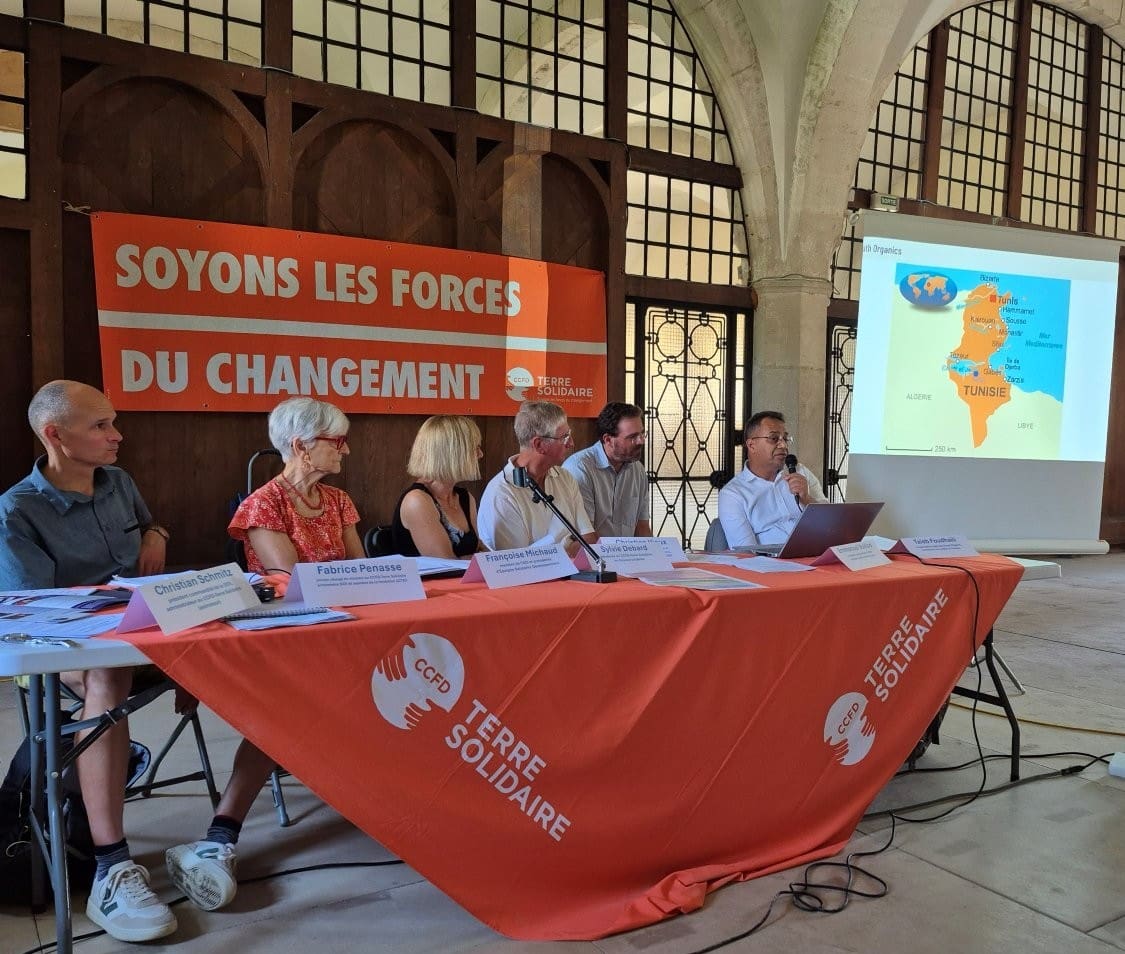
20260530 Festival Bien Vivre Pontigny

Our Tunisian partner, South Organic, was visiting France for a community event organized by CCFD-Terre Solidaire near Auxerre. Its founder also visited SIDI’s headquarters, providing an opportunity to ask him a few questions about the operations of this Kebili-based company that packages and markets organic and Fair Trade dates. South Organic has been a partner of SIDI since 2022.

Could you please introduce yourself and tell us more about South Organic?

My name is Taieb Foudhaili, and I founded South Organic in 2001—more than 25 years ago now. South Organic specializes in the export of organic dates from Tunisia. After the dates are harvested, South Organic manages the collection, sorting, processing, and transformation to ensure the final product meets our customers’ requirements.

Since its founding, South Organic has been committed to promoting organic farming, the socioeconomic development of the region’s residents, and environmental protection.

We work with more than 200 small-scale producers of certified organic and Fairtrade dates in the Kébili region. The date oases in this region consist of a maze of small, individual plots. The 227 farming families with whom South Organic works cultivate an average of just one hectare per family.

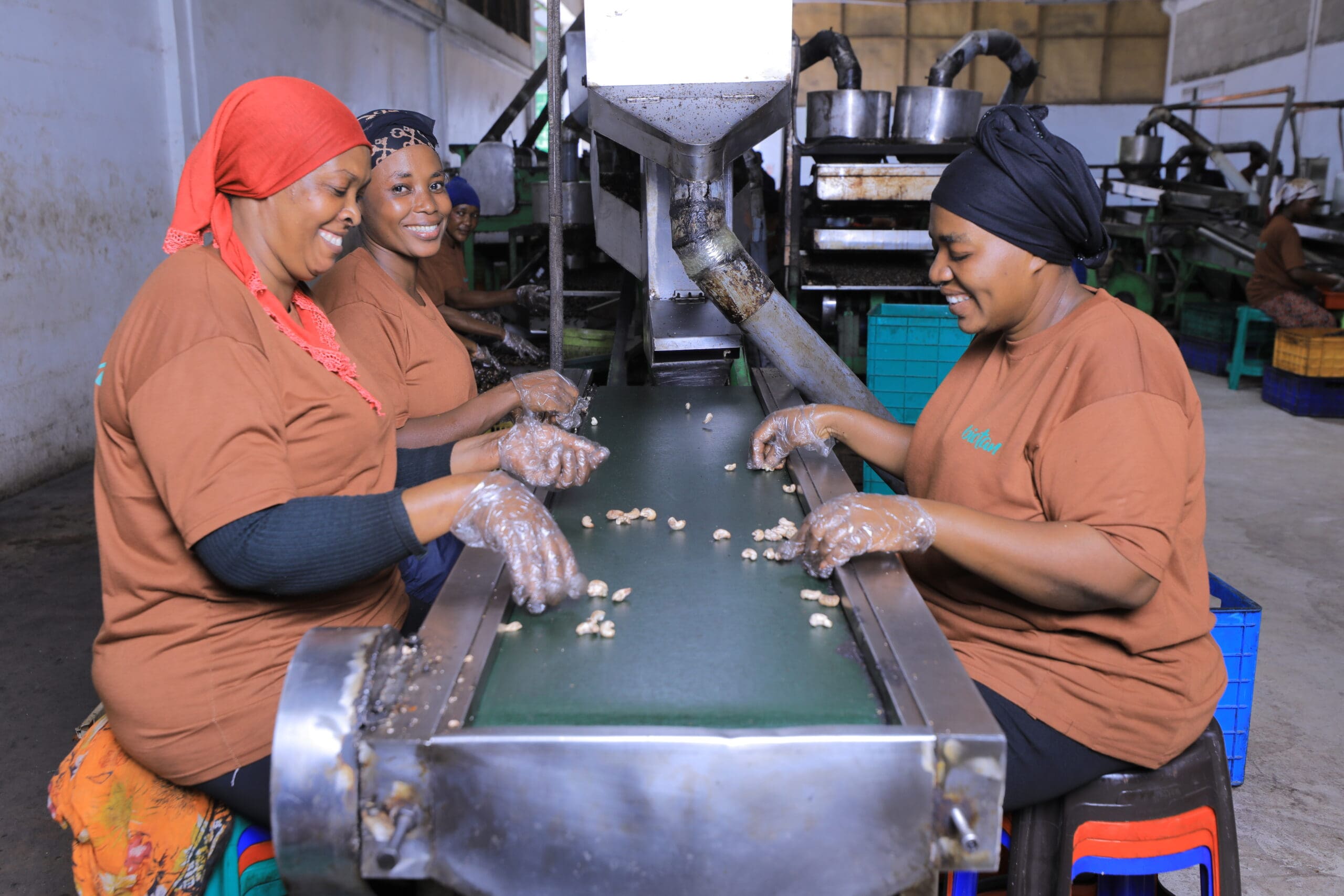
South Organic employs a large number of workers, particularly women, who make up more than 90% of our workforce. There are a total of between 100 and 120 permanent employees. Depending on the time of year and operational needs, our workforce can grow to as many as 250 people, or even 500 during harvest season. We receive orders year-round, so to meet our customers’ needs, there is virtually no downtime.

What challenges are you facing?

We have gone through some difficult times since 2020. First, there was the COVID-19 crisis, which led to a slowdown in exports. Then, the ensuing global economic crisis led, among other things, to a significant drop in demand. This had a major impact on our business.

In 2023, an environmental crisis compounded the situation: we experienced a severe drought that led to a surge in mite infestations, rendering the date crop unusable.

To address this type of problem caused by mite infestations during periods of drought, South Organic is implementing a preventive organic treatment plan applied twice a year. Unfortunately, due to the extreme drought and the far too rapid proliferation of mites, the preventive treatment plans were not sufficient. The farmers were desperate; it was a very difficult time for us.

It was easy for them to be tempted to use pesticides. At times like these, it’s difficult to convince farmers to continue farming organically, because pesticides can, at first glance, offer a quick and easier solution—despite all the harmful long-term effects they have on health and the environment.

It takes a long-term effort to change the way people see things.

Then, in 2024/2025, another challenge arose: Tunisia was hit by very heavy rains, putting the harvest at risk just as the dates had reached maturity. After all that hard work, an entire harvest could end up being unusable. The region hadn’t seen such heavy rainfall since 1969! In just one day, 70 ml of rain fell, whereas the annual average ranges from 100 to 150 ml. It was an exceptional situation.

This has led to financial difficulties, as we pre-finance the harvests to secure the income of organic date producers and our supply from South Organic. Unfortunately, with the damaged harvests, we have once again suffered financial losses.

By 2025, we had finally overcome the main challenges, even though there is still much work to be done. Little by little, all our hard work is finally paying off.

How is the partnership with SIDI going?

Our collaboration with SIDI and its Belgian counterpart, Alterfin—including through the FEFISOL II fund —has helped us weather these various challenges. In fact, since the COVID-19 crisis, we have stopped working with local banks.

Since then, we have succeeded in diversifying our customer base in a remarkable way. Previously, 65% of our production was exported; now, exports account for 85%. The remainder, which cannot be exported, is sold for livestock, for example.

What kind of support do you offer to producers?

First of all, it’s important to note that some of them have been working with us since South Organic was launched in 2001. We provide year-round support and assistance to producers through South Organic’s various services (internal audits, engineers, technicians, local assistants, inspectors, etc.).

Overall, organic date producers receive at least two training sessions each year. Our responsibility is to work closely with them.

Since March, we have also been testing new support methods: we are training “lead producers” who will themselves mentor 6 to 10 producers and coordinate between small-scale producers and the internal audit department. This obviously means extra work for these “lead producers,” who will receive allowances and bonuses. There will also be a rotation system: the lead producers will not be the same every year.

Drought seems to be a particularly difficult challenge to address: Are there any climate change adaptation projects?

Yes, we have been working on an ambitious irrigation system project. The goal is to improve water availability on small plots of land owned by farmers by providing a tank system.

To that end, it’s important to know that at South Organic, we have pilot plots where we test the necessary adjustments, adaptations, and innovations. With the support of our technicians, we have therefore conducted experiments on our own plots.

Each producer will have a storage pond of varying size, depending on the size of the plot. Sometimes, these ponds may be shared by several producers to reduce the investment cost of these facilities.

Another goal of adapting to climate change is diversification—particularly through vegetable crops and olive trees in palm groves. We’re currently starting to conduct trials on our pilot plot as well, and we hope to roll this out soon with our growers. But it takes time to get this up and running.

What was the purpose of your visit to France?

I attended the Festival du Bien vivre, organized by CCFD-Terre Solidaire Bourgogne–Franche-Comté on May 30 and 31 at Pontigny Abbey, near Auxerre.

I was invited to participate in the roundtable discussion on solidarity-based finance. It was a great opportunity to share South Organic’s experience with our producers. My goal was also to better understand the perspectives of people involved in these issues here in France. I had the chance to talk with quite a few volunteers from the network.

I enjoyed meeting people involved in solidarity-based finance. It’s important to me to build this connection because we live in different realities, where the date farmers in southern Tunisia seem far away. For me, participating in this event was a way to amplify their voices and build a bridge between the “South” and the “North.”

I was particularly moved by the commitment of everyone present and by the quality of the discussions. More broadly speaking, my role at South Organic aligns with this goal of coordination. Bridging the gap between the various roles in this supply chain is important—simply to “live better together” and achieve the goals of improving producers’ living conditions and compensation.

These conversations with volunteers here in France give me the strength and energy to keep working toward a better world. It gives me hope, honestly. We need that, because we’ve been through some really tough times, and everyday life isn’t easy.

Interview with Anne-Sophie Bougouin, SIDI’s new CEO

Anne-Sophie Bougouin, who has been with SIDI for more than 20 years, has now taken over as its director. Her career path, convictions, and strategic direction: she shares her vision amid a complex and troubling international landscape.

My involvement with SIDI is part of a very consistent career path. I studied development economics, and from very early on, I was determined to dedicate myself to issues of international solidarity. At the same time, I became interested in solidarity-based finance, particularly through the FAIR-Finansol network, which I joined in 1997 to help organize a conference on the theme of “Savings and Solidarity.” I then spent several years working on debt cancellation issues within a coalition of NGOs that included CCFD-Terre Solidaire and SIDI, and in that capacity, I participated in the joint working group on the implementation of C2Ds (French government debt relief and development contracts).

I first learned about SIDI around that time; it embodied precisely that connection between solidarity-based finance and international solidarity. That’s what made me want to get involved.

Your first years were devoted to supporting SIDI’s partners. What do you remember today?

They were founding experiences. I first worked as a partnership manager in Haiti and Laos, in very different geographical contexts, but with one thing in common: fragile partners in isolated rural areas where financial inclusion was virtually non-existent.

I have worked with mutual aid organizations in Haiti, agricultural enterprises, and a network of savings and credit cooperatives in Laos. Above all, this work involves providing long-term support to help organizations build their capacity and become more self-reliant. It was a very hands-on and formative experience in this partnership-based approach—rooted in trust and close collaboration—which remains at the heart of SIDI’s work today.

You then played a key role in the creation of the FEFISOL fund. How did this experience shape your company?

This was a major milestone in my career and also marked an important step in SIDI’s history. Initially, we had begun negotiations withthe French Development Agency (AFD) to secure its support for financing our partners in Africa. The Agency was also looking for ways to support SIDI, convinced of the impact of its work. Together, we devised an innovative mechanism to hedge against currency risk by creating the FEFISOL fund, dedicated to financing rural microfinance and small family farms in Africa. Setting up FEFISOL took us several years of work: legal structuring, mobilizing donors, defining the investment strategy… I then managed this fund for ten years.

This project has allowed us to scale up our operations by bringing institutional investors on board with our approach, which is centered on our strong social mission.

This required a major internal transformation: strengthening our practices, structuring our processes, increasing our skills. But without ever abandoning what makes us unique.

For me, this was an important lesson: it is possible to grow and increase our impact without compromising our mission, as long as we remain very clear about our principles. Dare to think bigger, while staying true to your values. FEFISOL enabled SIDI to scale up, gain visibility, and demonstrate that its approach was not only relevant but also replicable.

In your opinion, what makes SIDI unique today?

What sets SIDI apart is that it always prioritizes its social mission. The business model is a means to an end, never an end in itself. SIDI’s model allows it to go where others do not, and to adapt to a wide variety of contexts, many of which are fragile. It is an organization that takes risks, and it does so with a very high level of professionalism and technical expertise, combined with a strong commitment from its teams. It is this combination that allows us to operate to the highest standards while remaining true to our mission. It’s quite unique!

How do you see the main challenges for SIDI?

The first challenge is to continue our growth in a controlled manner in an environment where risks are intensifying and mounting: political instability, economic crises, and environmental crises. The needs of our local partners are immense, but to address them effectively, we must adapt and ensure that we are capable of managing and bearing these risks over the long term. It is a delicate balance.

The second challenge relates to environmental crises. We must go even further in our support for issues related to climate change adaptation, the conservation of natural resources, biodiversity, water, and food sovereignty in these highly vulnerable contexts. This is essential to the long-term sustainability of our partners.

Finally, in France and across Europe, we face legal and regulatory constraints that, on the one hand, limit our ability to mobilize resources—particularly from the public—with the end of the tax benefit granted to subscribers in ESUSs that have been in existence for more than 10 years, such as SIDI. On the other hand, this also restricts our ability to provide financing to partners. Adapting our operational framework will be essential for our continued growth.

What gives you hope today?

Our hope comes from both our supportive shareholders and our partners.

First and foremost, our shareholders. Their commitment is essential: over and above financial resources, they provide us with an energy that carries us forward. Today, supporting a structure like SIDI is almost an act of resistance, against a backdrop of inward-looking attitudes. It sends out a strong signal. They help to keep alive the chain of financial solidarity that lies at the heart of SIDI’s project.

Hope also comes from our partners. Despite often extremely difficult conditions, they continue to innovate, adapt, and move forward. Their resilience is remarkable and inspires us.

Finally, there is the strength of the collective. At SIDI, we share a common conviction: to make the best use of the resources entrusted to us in order to maximize the impact of our activities. It is this collective dynamic, focused on the long term, that drives and sustains us.

What message would you like to send to shareholders?

Not to give in to feelings of powerlessness.

Even on a small scale, every contribution counts. Collective action has real power. Through SIDI, they help support concrete initiatives, foster alternatives, and demonstrate that a different approach to finance—one focused on social good—is possible.

This is exactly what SIDI is all about: a chain of solidarity linking citizens, teams and partners, in the service of a fairer, more humane economy.

2024 Activity Report: A Year of Committed Solidarity

SIDI Activity report 2024

SIDI's 2024 activity report is now online! It retraces a year of actions in the service of local economic development actors in developing countries, for the benefit of the most vulnerable populations.

Thanks to the commitment of our partners, our solidarity-based shareholders and our entire ecosystem, SIDI is pursuing its mission: to make solidarity and patient capital a lever for the sustainable transformation of societies in order to build a more equitable and environmentally-friendly world.

A year of action for a fairer world

In 2024, SIDI continued to finance and support local economic actors – microfinance institutions, producer cooperatives, small businesses – working to improve the living conditions of populations excluded from traditional financial circuits, particularly women, young people and rural communities.

In the face of inequalities and climate challenges, our action is based on the principle of additionality:

  • intervene where others do not, i.e. where financing needs are greatest;
  • offer financing and support tailored to the specific needs of each partner.

Our efforts focus on three key objectives:

  • Promote economic equality
  • Reduce poverty
  • Supporting climate change mitigation and adaptation

A unique model of financial solidarity

At the heart of this model lies the commitment of thousands of individual shareholders who want to use the power they have with their money. Rather than a dividend, these shareholders are looking above all for social and environmental “added value” thanks to the activities of the partners financed by SIDI. They are thus part of a “chain of financial solidarity” which enables SIDI to target fragile partners and/or those operating in difficult contexts.

Highlights from the 2024 Report

This report presents the key milestones, results achieved, and challenges faced. You will discover

Key focus areas of our work

  • A double-page spread on SIDI’s commitment to Palestinian partners
  • East Africa: supporting partners on social and environmental issues
  • Sahelian zone: initial insights from our prospective study

Perspectives on our actions

  • Anne-Sélime de Murard: insights from a dedicated volunteer consultant
  • Anne-Sophie Bougouin: a strategic look at the FEFISOL II European Solidarity Fund for Africa

Partners in sustainable transitions

  • RUFI (Uganda): Social innovation for the financial inclusion of refugees
  • APODIP (Guatemala): Organic cocoa processed locally, in partnership with Ethiquable
  • Soluna Energia (Colombia): Solar energy, a driving force for local development
  • Yeyasso (Ivory Coast): A cooperative committed to more sustainable cocoa production
  • MVE (Madagascar): A responsible vanilla industry supported by a family business

We would like to extend our warmest thanks to all those who make this initiative possible: partners, shareholders, savers and volunteers. It’s thanks to you that financial solidarity comes to life, year after year.

How to remove barriers to financing agrifood organizations in developing countries

In developing countries, financing agricultural activities represents a major challenge that is often underestimated.

By Johan Thuard, West Africa Investment officer

In developing countries, financing agricultural activities represents a major challenge that is often underestimated. According to ISF Advisors, only 34% of the $160 billion needed each year to support the 220,000 small and medium-sized agricultural enterprises in Southeast Asia and sub-Saharan Africa is covered by formal financing[1]. This lack of funding creates an annual deficit of $106 billion, with serious consequences for the sector’s dynamism. In particular, its ability to meet the challenges of food security, job creation and reduced vulnerability for the 1.3 billion people who depend on agriculture in these regions [2].

This deficit is colossal; to better understand its scale, it is almost equivalent to the $113 billion allocated to fossil fuels by the main banks of the European Union in 2023 [3]. This critical situation cannot be resolved by the market alone.

But what explains such a deficit? At SIDI, through our experience as a solidarity investor active for over 40 years, we seek to shed light on this question. In this context, SIDI finances cooperatives and agri-food SMEs in developing countries. These organizations work with small-scale producers to support family farming, both upstream – by facilitating their production and their transition to sustainable agriculture – and downstream – by developing outlets through the processing and marketing of agricultural produce.

We identify three major barriers to the mobilization of financing by agricultural organizations: problems of identification, preparation, and an imbalance between risk and return on transactions. These barriers particularly affect smaller, less mature organizations. These organizations find themselves in the “missing middle”, while also being ill-suited to the requirements of formal financiers (commercial banks, international financiers, donors, etc.).

This article looks at these three barriers, focusing specifically on debt financing, and proposes solutions to overcome them.

Better identification between agri-food organizations and funders

For agri-food organizations, particularly those with little experience of fund-raising, it can be difficult to determine which funders to approach, given the fragmented nature of the ecosystem. Each funder has its own strategic priorities, investment criteria and areas of operation, which can be highly specific and difficult to understand externally.

Similarly, for internationals, identifying new opportunities not yet financed by other players can be complex, especially for organizations that are not members of entrepreneurship networks or that operate in remote areas.

Finding new financing opportunities requires in-depth knowledge of the local economic fabric. This represents a challenge for investment officers, as the areas to be covered are vast. At SIDI, for example, each investment officer is responsible for three to four countries, so building up in-depth knowledge of local players is a gradual, long-term process.

To enrich our understanding of the field, we regularly collaborate with allied organizations, both local and otherwise. For example, SIDI invests in local I&P funds, such as SINERGI in Burkina Faso, which focus mainly on agricultural value chains. We have also established a partnership with the Ethiquable cooperative to finance and support some of their supplier cooperatives, and maintain close links with organizations specializing in agricultural value chains, such as Nitidæ. At the same time, we are strengthening our local presence with the opening of two offices in Lomé and Kampala, from which we conduct much of our business in sub-Saharan Africa.

The challenge of preparing to raise funds

Fund-raising is a complex process, requiring specific resources and skills. Sometimes, there is a gap between the prerequisites that funders may have to validate a transaction and the capacity of local organizations to meet them. This gap becomes particularly problematic when it involves the fundamentals – operations, social and environmental impact (particularly for impact funders), finance, team, market, or data reliability.

Developing cooperatives and SMEs are often not equipped to meet these expectations. This is particularly true of organizations that are growing organically and lack a strong management team. These organizations may also find it difficult to identify their own areas for improvement, or to overcome them on their own.

To overcome these shortcomings, it is important for organizations to have access to specific support to prepare them for financing. This is where SIDI’s offer, which combines financing and support, comes into its own. Based on a diagnosis by an investment officer, SIDI can offer not only financing, but also support tailored to the organization’s needs. SIDI works with several facilities, including the ACTES Foundation, the SSNUP program and the AT facility of the FEFISOL II fund, to meet the support needs of prospective and existing partner organizations.

There are also investment preparation programs that reinforce the fundamentals while supporting organizations in the preparation of their funding applications – market analysis, creation of business plans or other documents intended for investors. Some of these programs also include prospecting and matchmaking. There are many such programs, often financed by donors and implemented by consulting firms. Examples include Activ’Invest in Senegal, Invest Salone in Sierra Leone, and CrossBoundary, which helps agri-food companies raise funds in several sub-Saharan African countries.

The imbalance between risk and profitability in agricultural financing

A study carried out by Dalberg on 3,500 loans granted to agri-food SMEs by international financiers reveals that half of loans between €250,000 and €500,000 are not profitable.

One of the main reasons for this imbalance is the cost of risk, which is high and rising all the time. In particular, agricultural production is under increasing pressure due to its growing exposure to climatic disturbances. Furthermore, agri-food organizations often operate in markets where product supply and demand are not systematically correlated. As a result, some sectors experience cyclical crises, putting operators under pressure and increasing the risk of default.

This risk puts a strain on the market, which then concentrates on certain well-defined segments:

  • Organizations with a lower risk profile, generally larger, more mature organizations with a solid financing history and/or able to offer guarantees.
  • Short-term financing, often in the form of working capital, instead of medium-term loans to finance equipment or investments
  • High financing rates to cover transaction costs

As a result, the market remains relatively static, with a limited number of organizations already known to the sector and funded, and little openness to new partnerships.

For a financier like SIDI, whose mission is to be additional, in particular by acting as the leading international investor for certain partners, managing this risk is an essential challenge. This is achieved through several approaches: on the one hand, portfolio diversification across different sectors (such as microfinance and agriculture) as well as more or less mature organizations; on the other hand, SIDI’s business model enables it to take greater risks, thanks to its philanthropic shareholding and access to certain guarantee tools.

These elements are essential if we are to ” intervene where others do not go “, and thus support high-risk organizations, sectors and regions. This also gives us the possibility of financing particularly risky organizations and/or not being profitable on certain transactions when this is justified by strong additionality and a significant social or environmental impact. From this experience, the need to have access to guarantee mechanisms or subsidies emerges, so that funders can be more additional, have a greater impact and thus make the sector more dynamic.

Effective solutions already exist, starting with the Aceli program in East Africa. This program, dedicated to financing the agricultural sector, offers financiers subsidies to reduce transaction costs, and guarantees to reduce the cost of risk. The value of this program also lies in its ability to minimize market distortions, while encouraging funders to support the least well-served companies: grants cover only part of the costs, and are higher for companies that have never raised institutional funds, or that have a higher social or environmental impact. This is the kind of example that deserves to be better studied and replicated in other regions, given its proven effectiveness.

In a context where the vulnerability of producers and the challenges of food security are increasingly pressing, it is crucial to work towards reducing the barriers to financing agri-food organizations in developing countries. In addition to offering some food for thought, this article is an invitation to all those who wish to collaborate and develop concrete solutions for a more dynamic, socially just and ecologically sustainable sector.

Johan Thuard, West Africa Investment officer

[1] ISF Advisors, The state of the agri-SME sector – Bridging the finance gap, 2022

[2] ISF Advisors estimates that this concerns 260 million households – ~1.3 billion people – who consider family farming to be an integral part of their livelihoods in Southeast Asia and sub-Saharan Africa.

[3] Banking on Climate Finance Chaos, Fossil Fuel Finance Report, 2024

Discover SIDI’s 2023 social and environmental report

Couverture Rapport social et environnemental 2023

Every year, SIDI publishes its social and environmental report, which describes the impact of SIDI's activities and those of its partners.

In 2023, SIDI celebrated 40 years of commitment to solidarity finance and the ecological and social transition. Throughout the year, the organization pursued its mission to support local economic players in the world’s most vulnerable regions, maximizing its social and environmental impact through an approach focused on additionality and support for diversified partners.

Additionality at the heart of impact strategy

Thanks to its solidarity-based resources, SIDI has confirmed its additionality compared with traditional investors, by continuing to support its partners in difficult country contexts and in remote regions poorly served by the banking system. The diversity of its financial products and the wide range of support it offers have been crucial in adapting to the needs of each partner and the realities on the ground. The year 2023 was also marked by the development of crucial new partnerships, such as the one with Ethiquable, which will forge SIDI’s added value in the future.

Promoting economic equality

The year was marked by significant results at partner level, illustrating the concrete effects of SIDI’s strategies in the territories where it operates. SIDI’s first objective, to promote economic equality, has enabled us to support organizations that create formal, stable jobs, particularly in rural areas where access to financing and markets remains a major challenge. Agricultural cooperatives and local businesses have played a crucial role in improving food security, and offering local processing opportunities, adding value to agricultural produce.

Promoting poverty reduction

In terms of poverty reduction, SIDI has reinforced its actions in favour of the financial inclusion of the poorest populations. By collaborating with MFIs targeting vulnerable populations, SIDI has facilitated access to adapted financial services, such as microcredit and savings products, which are essential for improving the living conditions and economic empowerment of women and people living in rural areas. By 2023, the number of final beneficiaries had reached 10 million, 52% of whom were women and 42% of whom lived in rural areas, testifying to the impact of these initiatives.

Supporting mitigation and adaptation to climate change

At the same time, SIDI continued to support climate change mitigation and adaptation, a key pillar of its development strategy. Efforts to develop green finance have been stepped up, notably by financing renewable energy projects and supporting partners in implementing sustainable agricultural practices. These initiatives aim to contribute not only to reducing our partners’ greenhouse gas emissions, but also to increasing community resilience to the impacts of climate change.

All in all, SIDI’s results for the year 2023 demonstrate a strong commitment and a constant capacity to adapt to the challenges of sustainable development. As SIDI enters its fifth decade, it remains determined to pursue this mission with the same passion and dedication, always seeking to maximize its social and environmental impact by combining financial support and technical assistance, to build a more equitable and sustainable world.

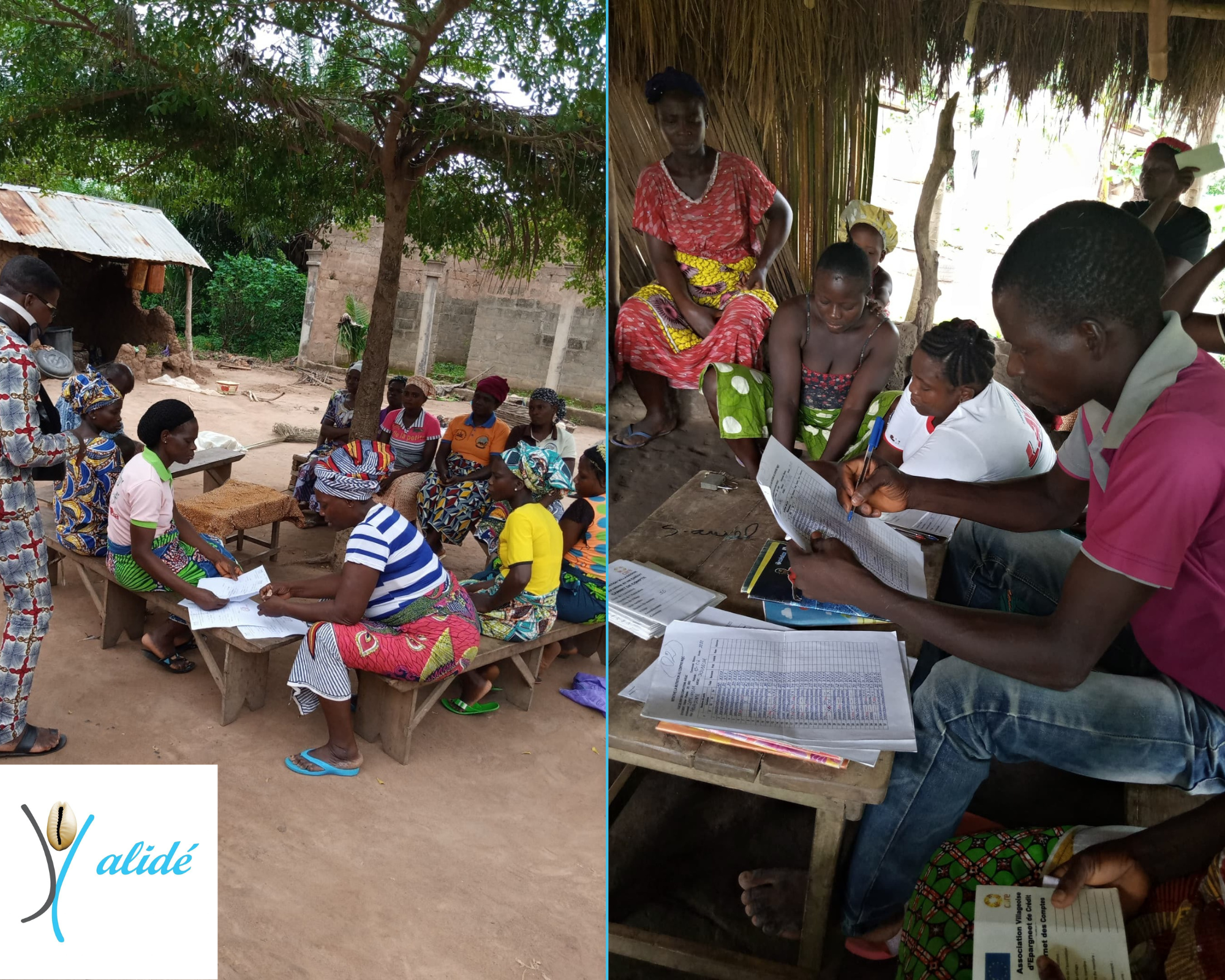
The MFI ALIDé, SIDI’s new partner in Benin.

SIDI is delighted to share its new partnership with ALIDé (Association de Lutte pour la promotion des Initiatives de Développement), a Beninese microfinance institution.

SIDI’s development in West Africa

SIDI’s deployment in Benin is part of its development strategy. The opening of SIDI’s regional office in Lomé, Togo, in 2023 will strengthen our proximity to our partners in West Africa and facilitate the creation of new partnerships. This geographical proximity allows for greater flexibility in carrying out missions, including prospecting. It was during one of these missions to Benin that SIDI forged ties with ALIDé, leading to this new partnership.

ALIDé, a partner aligned with SIDI in a difficult Beninese context

Thanks to its 17 points of service, including 10 branches and 85 agents, the ALIDé microfinance institution works to improve the living conditions of vulnerable and low-income populations throughout Benin. Created in 2006, ALIDé now serves around 50,000 customers, offering essential financial services. This enables them to realize both personal and professional projects.

In 2022, ALIDé strengthened its social commitments around strong values as part of the revision of its social strategy. The main commitment concerns women, with the aim of providing them with greater support to promote their social and economic inclusion. Clear, measurable indicators have been defined for this purpose.

The Association supports projects in various sectors, including agriculture, through non-financial services and dedicated financial products. This is an ambition that SIDI supports, in a general context of worsening risks in the agricultural sector and an economic situation impacted by strong political decisions at local level since 2023. Indeed, developments in the political and economic situation in Benin are marked by a timid resumption of trade transactions with Niger (80% of transit through the port of Cotonou comes from Niger) despite the decision taken by ECOWAS member countries, including Benin, to resume trade with Niger and the reopening of borders with this country. In addition, in 2023, government intervention in the setting of prices in certain sectors, such as soya, had a slight impact on the smooth running of the campaign for some ALIDé producers.

In this way, ALIDé’s work is essential both as a funder and, above all, as an advisor to ensure the continuity of its members’ activities in a constantly changing environment.

Partnership objectives

The partnership between SIDI and ALIDé will have a dual dimension in line with SIDI’s strategy: financial contribution and technical support. Several areas of intervention and areas of support have been identified to support the development of activities and the finalization of its digitization process initiated in 2018. These areas will be defined and prioritized by mutual agreement between the association and SIDI.

This partnership will enable ALIDé to increase its medium-term financing capacity. At the same time, it marks the return of SIDI’s activities in Benin, where it no longer had an active partnership at the end of 2023. SIDI, always committed to long-term partnerships, intends to continue its deployment in this country, supporting players such as ALIDé who are committed to fulfilling their social mission.

Gain a better understanding of how Abakundakawa, a Rwandan coffee cooperative, is helping to change the lives of its members.

Productrice de café de la coopérative abakundakawa

SIDI contributes to the Farmer Thriving Index to assess the impact of cooperatives on small-scale coffee producers in Rwanda. The study reveals the positive effects of the Abakundakawa cooperative on the living conditions and agricultural practices of its members.

The Farmer Thriving Index, a new initiative designed to better assess changes in the lives of small-scale farmers.

The Farmer Thriving Index (FTI) was created by 60Decibels, a company specializing in social impact measurement. The FTI is an assessment designed to better understand the changes brought about by cooperatives for their members, as perceived by small-scale agricultural producers themselves. It takes into account several dimensions of economic, social and environmental well-being, providing an overall assessment of their quality of life and the sustainability of their activities.

In East Africa, the FTI has focused specifically on small-scale coffee growers. A control group of 1,026 small-scale producers not affiliated to any cooperative or agricultural enterprise was interviewed. Their situations and responses are then compared with those of cooperative coffee growers.

SIDI contributed to this study by co-financing, with our partner Aceli Africa and the ACTES foundation, an assessment of the situation of small-scale coffee producers who are members of Abakundakawa, a cooperative located in the north of Rwanda in the poor regions of Rushashi and Minazi. In all, 282 Abakundakawa suppliers were interviewed to better understand their situation and the effects of cooperative membership on their lives.

Abakundakawa, a Rwandan cooperative supported for over ten years by SIDI

Abakundakawa is a producer organization created in 1999 on the initiative of 367 Rwandan coffee growers, with the aim of enhancing the value of their production. From the outset, the organization has been dedicated to purchasing and processing Arabica coffee cherries into high-quality green coffee for international marketing.

Over the past 25 years, Abakundakawa has gone from strength to strength, and today boasts over 2,100 active members, 44% of whom are women, 23 permanent employees and 175 seasonal workers. It exports around 19 containers of coffee every year. Abakundakawa’s activities have a strong social mission. Indeed, improving the standard of living of its members is at the heart of the cooperative’s activity. To meet this objective, it charges purchase prices higher than the minimum price set by the government. In particular, the organization has been Fair Trade certified since 2005, and has thus been able to increase its impact on local social development through projects to supply water, improve agricultural access, pay for mutual health insurance schemes, and so on.

The study describes producers whose living conditions are particularly fragile

Two-thirds of the producers who responded to the survey are men, owners of their own land, with an average age of 48. The families are large and poorly educated; for 37%, elementary school is the highest level of education in the family. On average, they own 2.7 hectares of land, 44% of which is devoted to growing Arabica for export, the rest to peas, corn and bananas.For half of those interviewed, coffee production is their main source of income. An assessment of their behavior shows that 60% of respondents have incomes below the “Living Income Reference Value”, an estimate of the minimum amount needed to live decently in the region. However, almost all the farmers interviewed want to continue producing coffee, and hope that their children will too.

What Abakundakawa brings to its producers

The cooperative strives to build member loyalty through regular training by agronomists and field agents: 71% are in regular contact with these agents, whom they meet three times a year on average. What’s more, the interviewees’ farming practices are generally more virtuous than those of the control group, with all of them implementing good farming practices and two-thirds practicing agroforestry. Abakundakawa facilitates access to suitable tools (hoe, saw, pruning shears) and cows to promote natural fertilization of plots. It also carries out specific actions in favor of young people and women, and offers a savings service. Thanks to the latter, 53% of respondents say they save every month, compared with only 25% of producers in the control group.

These actions are the main drivers behind the very high level of supplier satisfaction with the cooperative, which scores highly on the Net Promoter Score, an indicator that compares the number of promoters of an organization (i.e. the number of people who would recommend the organization to their friends and family) with the number of detractors (people who would not recommend the organization to their friends and family). Abakundakawa achieves a very high score (NPS of 51), a testament to the strong satisfaction and loyalty of its members.

These testify in particular:

“They teach us how to make coffee, compost, mulch, prune, weed and renovate the field. All these things that the cooperative teaches us are very important for a coffee grower, because they enable him to improve his growing methods in a professional way. I think it’s something unique that our cooperative has that can benefit all coffee growers.”
Woman, aged 61

“I like the way they value their members and offer training so we can improve the quantity and quality of our produce. They also offer premiums and provide cows for breeding so we can get manure easily.”
Woman, 62 years old

As in the majority of satisfaction surveys linked to the provision of services, the only subject of dissatisfaction remains the price paid, in this case for coffee. 62% of respondents were dissatisfied with the prices paid by Abakundakawa. However, 62% also claim to have made a profit on the last harvest, and half of them have noticed an improvement on last year in terms of income received. In fact, Abakundakawa pays a higher price than the market price, and the premiums from organic and fair trade certification also enable the payment of a bonus at the end of the campaign.

Aware of the crucial contribution made by the cooperative, 80% of those questioned plan to continue investing and developing their coffee production. It’s a safe bet that they will continue to supply Abakundakawa with top-quality fair-trade coffee for a long time to come.

SIDI’s 2023 activity report is online

Couv RA SIDI 2023 fr

2023 was a very special year for SIDI: we celebrated 40 years of existence.

  • 40 years of SIDI putting finance at the service of local economic development players in developing countries
  • SIDI has been financing and supporting local economic players for 40 years, working to improve the living conditions of vulnerable populations and promote virtuous ecological practices.
  • 40 years of an innovative intervention model based on the principle of a chain of financial solidarity, linking citizens who want to give meaning to their savings, to partner organizations and their beneficiaries.

Despite the combination of multi-factorial crises, SIDI manages to carry out its mission by placing additionality at the heart of its impact strategy, and by working on three major mission objectives:

  • Promoting economic equality
  • Promoting poverty reduction
  • Supporting the fight against climate change

Let’s continue to invest in a just transition.